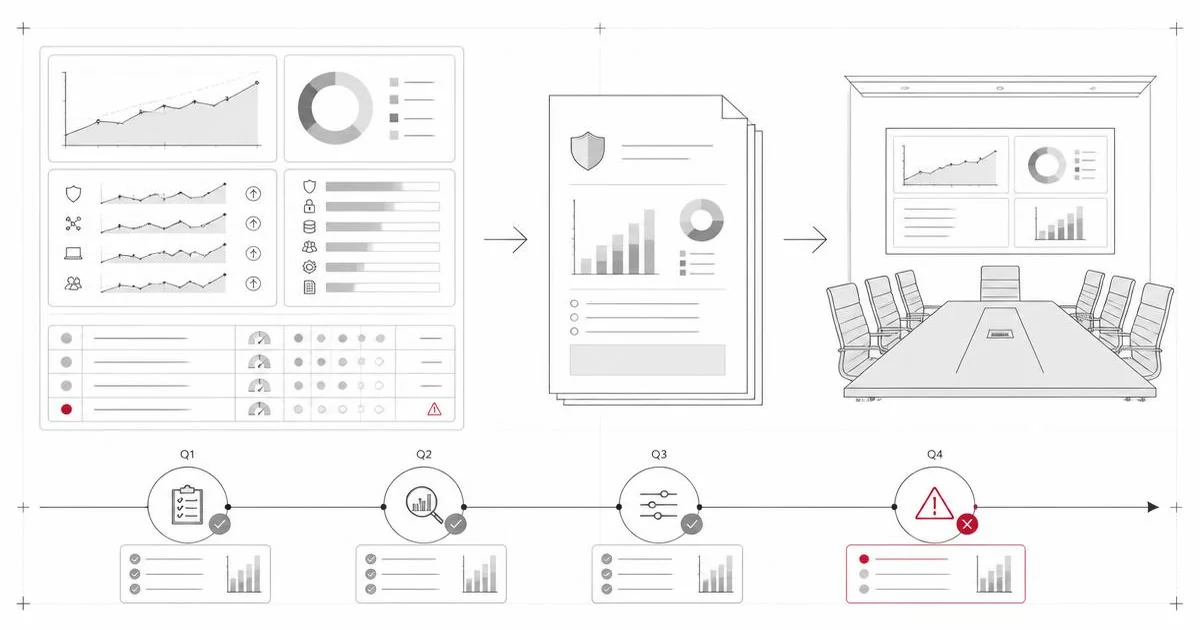
Boards do not need another wall of technical metrics. They need a defensible answer to a smaller set of questions.
What information and systems matter most? Which threats can reach them? Which controls reduce that risk? Who has authority during an incident? Can a major response be reversed? What evidence supports management’s claims?
Many cyber reports list vulnerabilities, alerts, and framework mappings without showing how those elements relate to mission consequence. A board may receive a high risk rating without understanding what event could produce it.
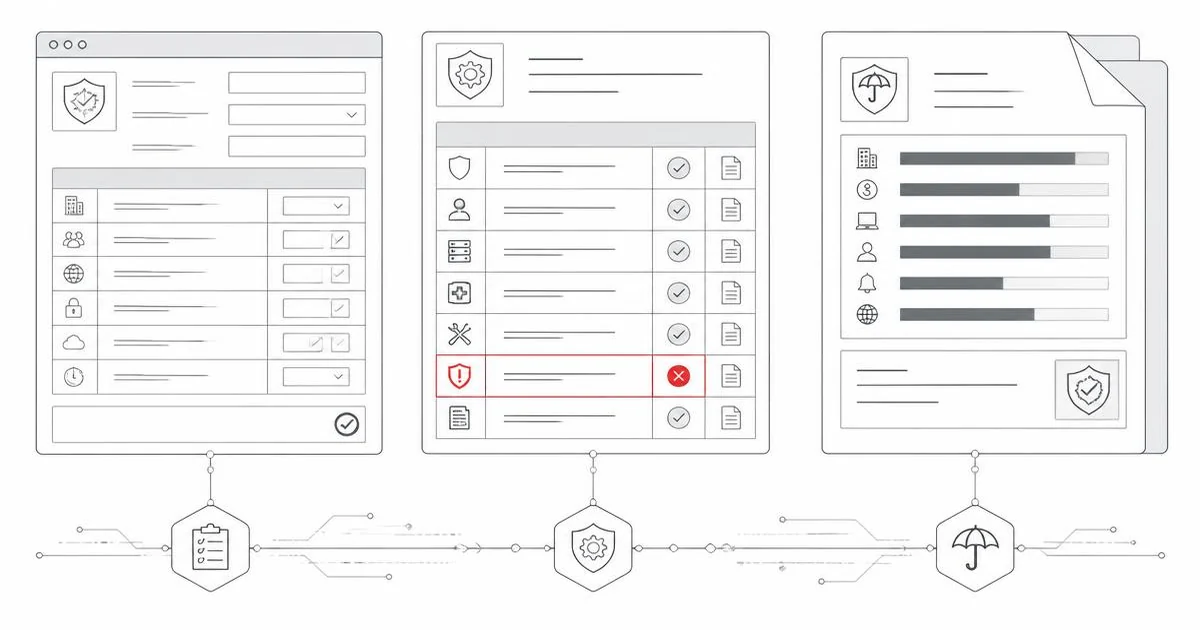
KRYOS-XS Hypercube can translate technical exposure into institutional terms. It can connect identity, systems, data, dependencies, controls, threat evidence, operational interruption, and uncertainty.
Cyber assurance should also test prior decisions. Was the evidence traceable? Were contradictions considered? Was the correct authority involved? Did the action remain within policy? Did the outcome support the original hypothesis?
A replayable decision record makes those questions answerable. It also helps the board distinguish measured performance from confident assertion.
The board should not approve technical actions itself. Its role is to establish risk tolerance, authority, accountability, and oversight. Management and qualified professionals retain operational responsibility.
For nonprofits, board confidence has consequences beyond governance. Funders, partners, beneficiaries, and regulators may all rely on the institution’s ability to protect sensitive information.
Defensible assurance does not promise perfect security. It shows that the organization understands its risk, governs its decisions, and learns from outcomes.