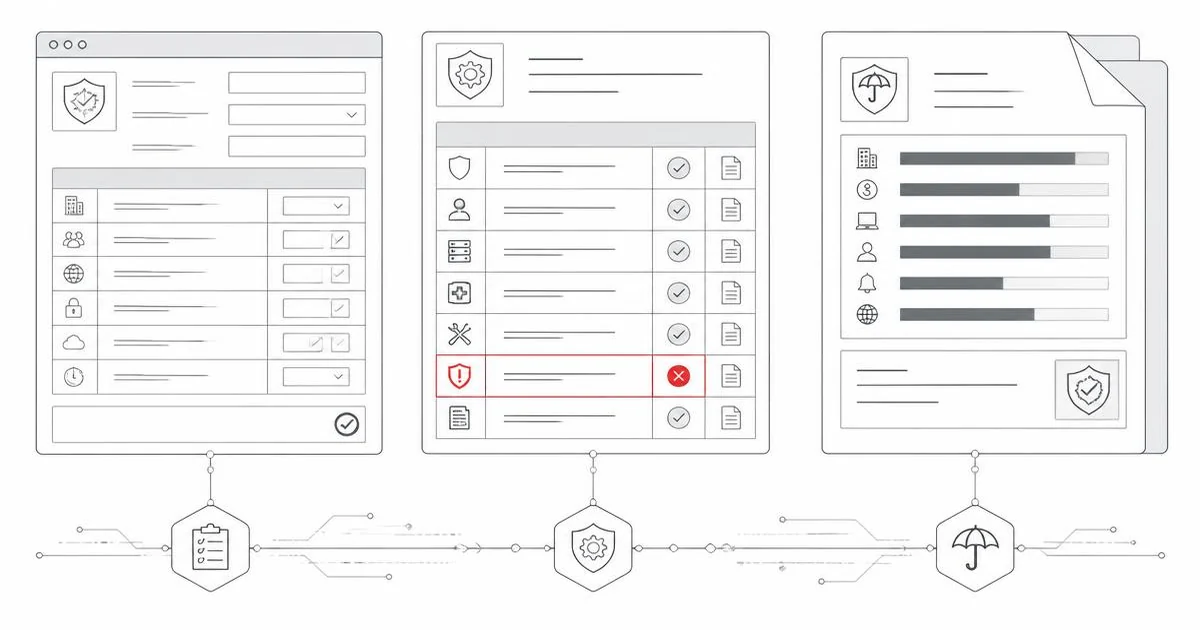
Cyber-insurance applications ask difficult questions under time pressure. Does the organization use multifactor authentication? Are backups tested? Is privileged access controlled? Is endpoint security deployed everywhere?
The temptation is to answer optimistically. A control may exist in policy but not in every environment. A backup may be created regularly without evidence that restoration works. Multifactor authentication may protect employees while excluding service accounts or legacy systems.
Inaccurate answers can create problems during underwriting or after a claim. The safer approach is evidence-based reporting.
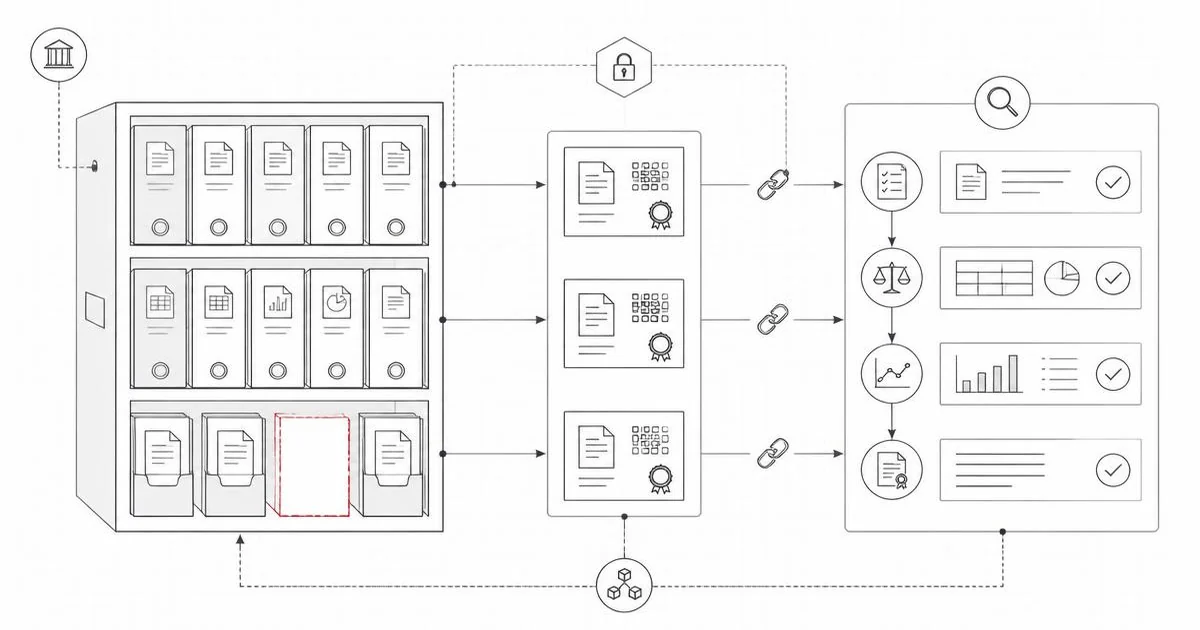
KRYOS-XS Hypercube can connect policy statements with operating evidence from identity, endpoint, cloud, backup, vulnerability, and governance systems. It can identify where a control is fully supported, partially supported, stale, or contradicted.
The result should not be an automatic declaration of compliance. It should be a documented view of the current environment, including limitations and remediation priorities.
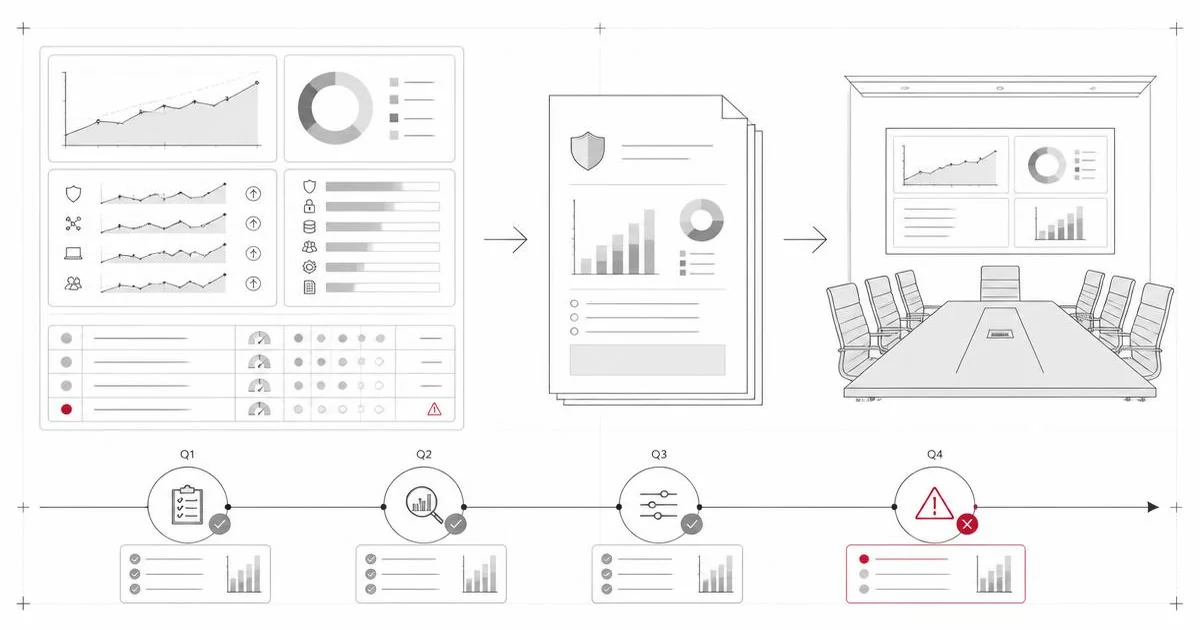
The same evidence can support renewal. Rather than rebuilding the narrative once a year, the organization can maintain a continuing record of control operation, exceptions, approvals, incidents, and improvements.
Cyber-risk quantification can also express potential harm in terms relevant to a nonprofit. Those terms may include service interruption, donor trust, beneficiary impact, research loss, recovery burden, legal exposure, and grantor confidence.
Insurance should not become the purpose of the security program. It is one part of risk financing. The deeper value lies in knowing which claims about the environment can be defended with evidence.