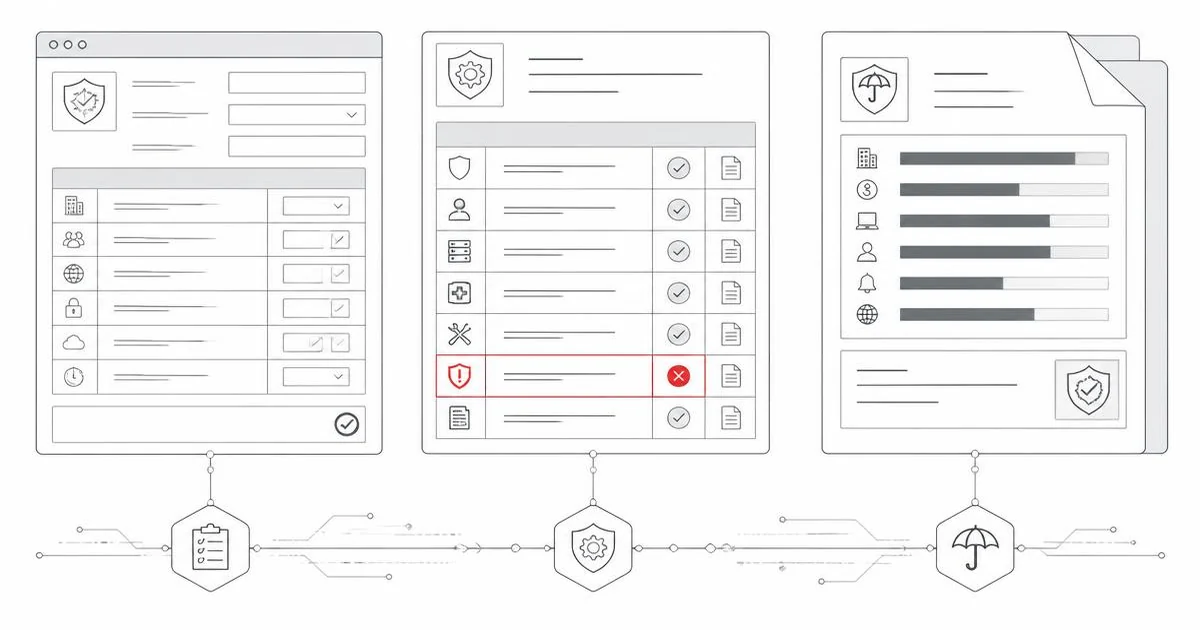
After an incident, organizations are often asked to reconstruct what happened. Which evidence was available? Which policy applied? Who approved the action? Did the record change after the event?
Ordinary logs help, but they may be incomplete, distributed across systems, or difficult to connect to the decision that was made.
A cryptographically verifiable decision record links evidence, timestamps, versions, approvals, actions, and outcomes. A hash can help show whether a record changed. It does not make the system invulnerable, and it does not prove that the original information was true. It provides evidence of integrity.
ArtOfTheHack can attach source, timestamp, quality, freshness, lineage, policy version, model version, authority, and audit hash to a governed decision object. The record can preserve both supporting and contradictory evidence.
This structure is useful for incident review, donor assurance, board oversight, insurance, legal preservation, and external audit. It also supports independent replay. A reviewer can examine the evidence and policy that existed at the time rather than judging the decision only with hindsight.
Human overrides should remain visible. If an authorized leader rejected the recommendation, the record should preserve the identity and rationale rather than rewriting history.
For organizations working in contested environments, chain of custody can be essential. Evidence may pass between field staff, investigators, legal teams, and partner institutions. Provenance helps preserve its meaning through those transfers.
Good governance depends on institutional memory. A cryptographically verifiable record allows the basis of a decision to outlive the people who made it.