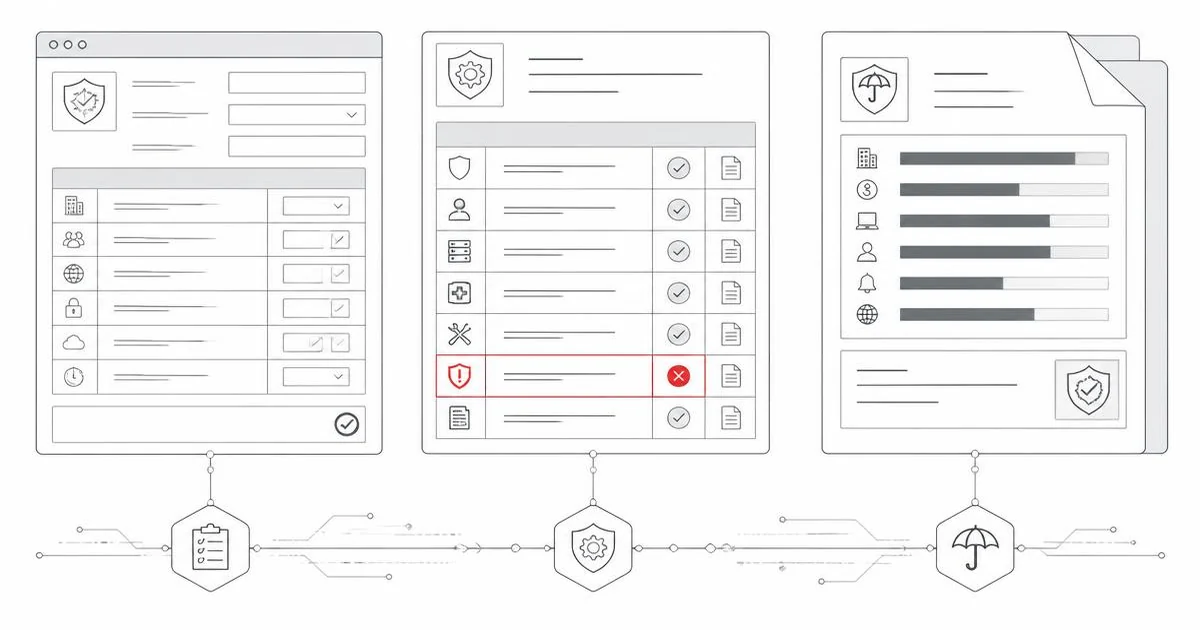
Grant-funded organizations must preserve a detailed record of how money was received, allocated, spent, and reported. That record may include agreements, budgets, invoices, payroll information, beneficiary evidence, monitoring data, approvals, and correspondence.
A cyber incident can affect both confidentiality and integrity. Attackers may steal financial records, alter payment instructions, delete supporting evidence, or encrypt the systems needed for an audit. An internal mistake can be equally damaging if no reliable history exists.
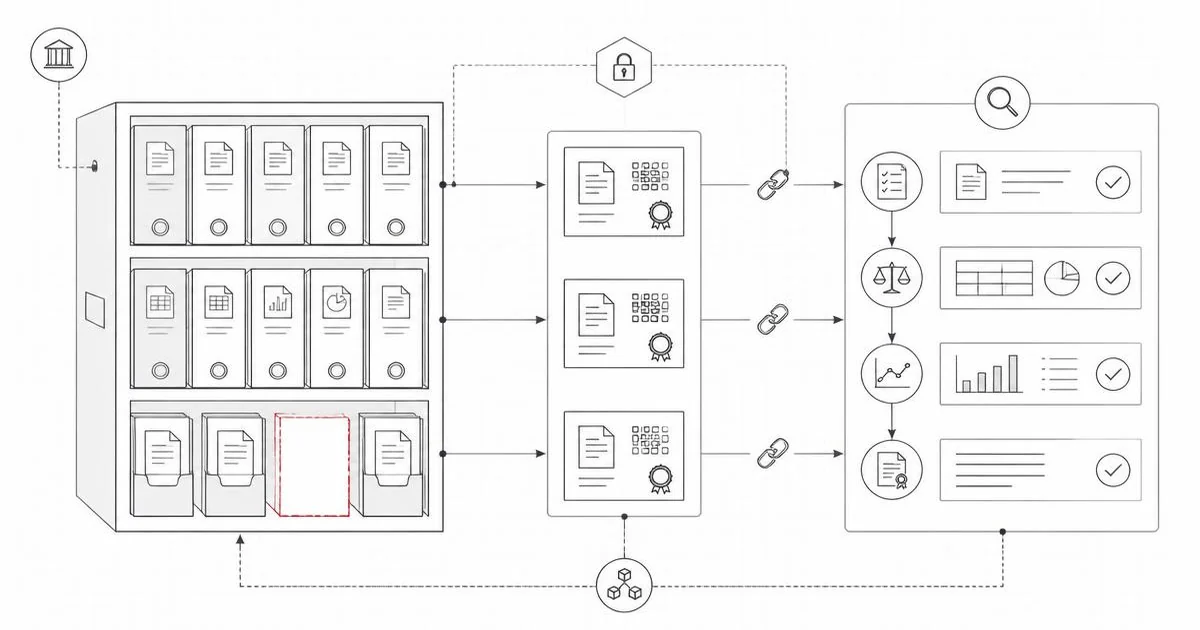
The security objective is to preserve a traceable relationship between each transaction, approval, document, and reporting obligation.
KRYOS-XS Hypercube can connect identity, finance, document, email, grant-management, and approval evidence. A change to vendor banking details can be compared with the contract, prior payment history, account activity, and required authority. A deleted file can be evaluated in relation to retention rules and current audit needs.
Cryptographic hashes can help demonstrate whether a record changed after approval. Version history can show who made a legitimate correction and why. Human approval remains necessary for consequential financial actions.
The system should also preserve contradictory evidence. If an invoice, purchase order, and payment record disagree, the discrepancy should not be averaged away or silently corrected.
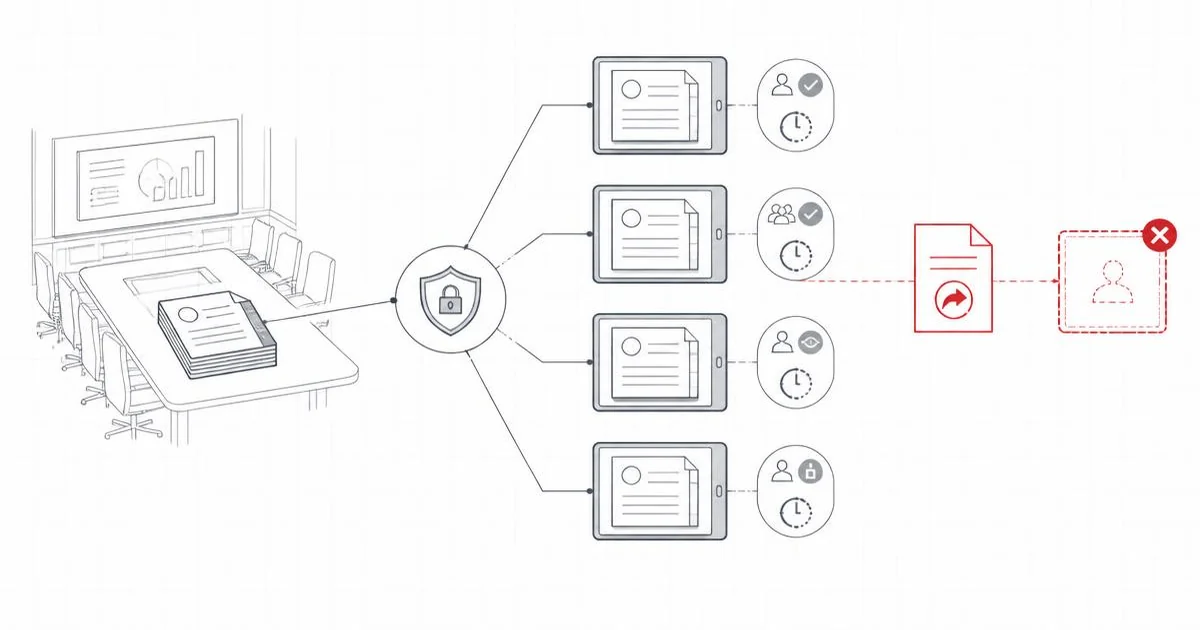
For boards and funders, the value lies in defensibility. The organization can explain what it knew, which control applied, who approved the action, and what happened next.
Financial cybersecurity is therefore inseparable from stewardship. Protecting grant evidence protects the institution’s ability to demonstrate that resources were used as promised.