Board members often receive some of the organization’s most sensitive information. Meeting packets may include legal disputes, executive evaluations, donor strategy, financial projections, incident reports, personnel matters, merger discussions, and confidential risk assessments.
Board access is also difficult to govern. Members may use personal devices, private email accounts, travel frequently, and serve limited terms. They may retain documents long after leaving the board.
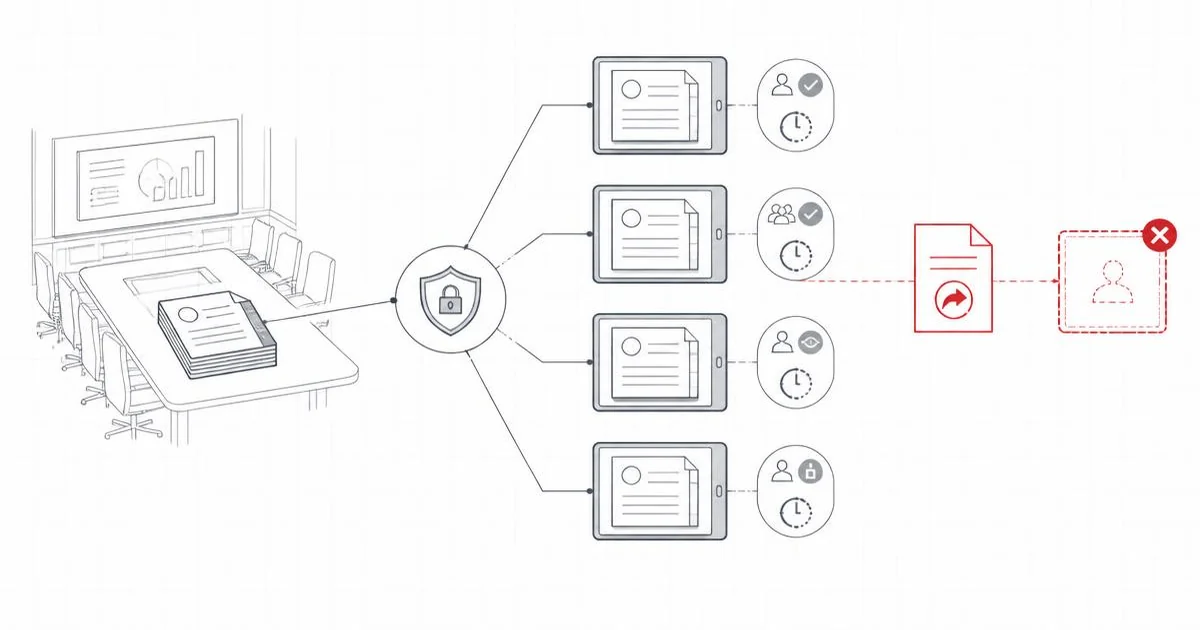
The security model should reflect both the authority of the board and the sensitivity of its materials. A board member may have broad rights to review information, but those rights do not necessarily include unrestricted download, forwarding, or indefinite retention.
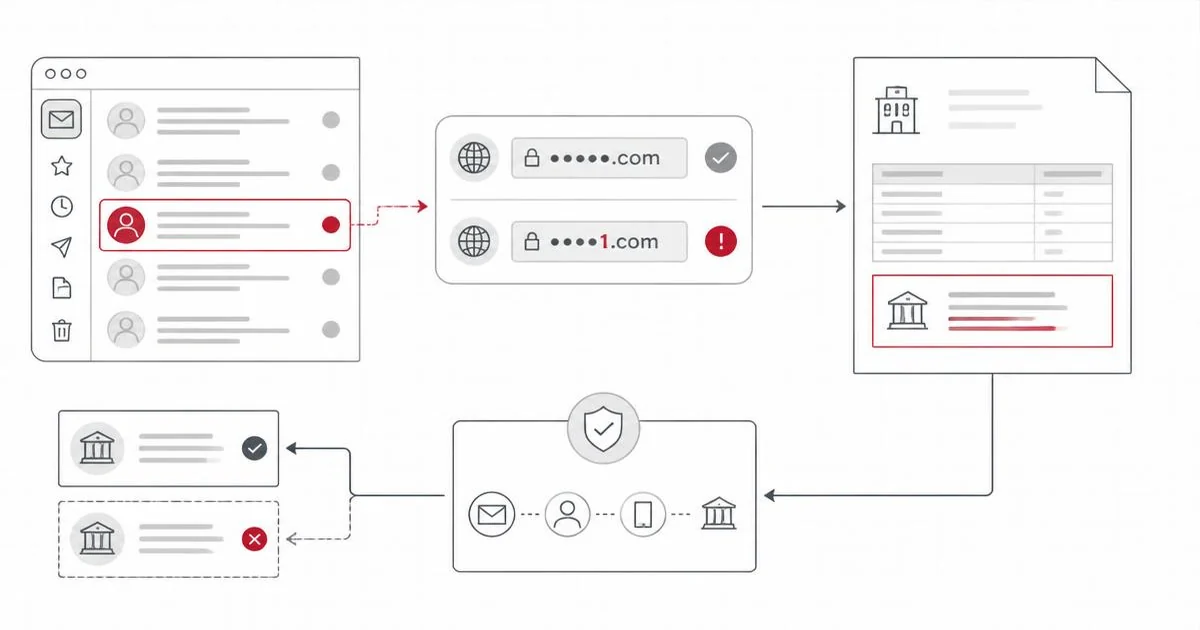
KRYOS-XS Hypercube can assess identity assurance, device condition, requested document, session context, board role, committee membership, and current term status. An unusual login may trigger stronger authentication. A highly sensitive packet may be view-only. Access may expire when the meeting or board term ends.
The system can also distinguish between evidence and authority. A technical platform may identify risk, but the board or an authorized committee remains responsible for consequential governance decisions.
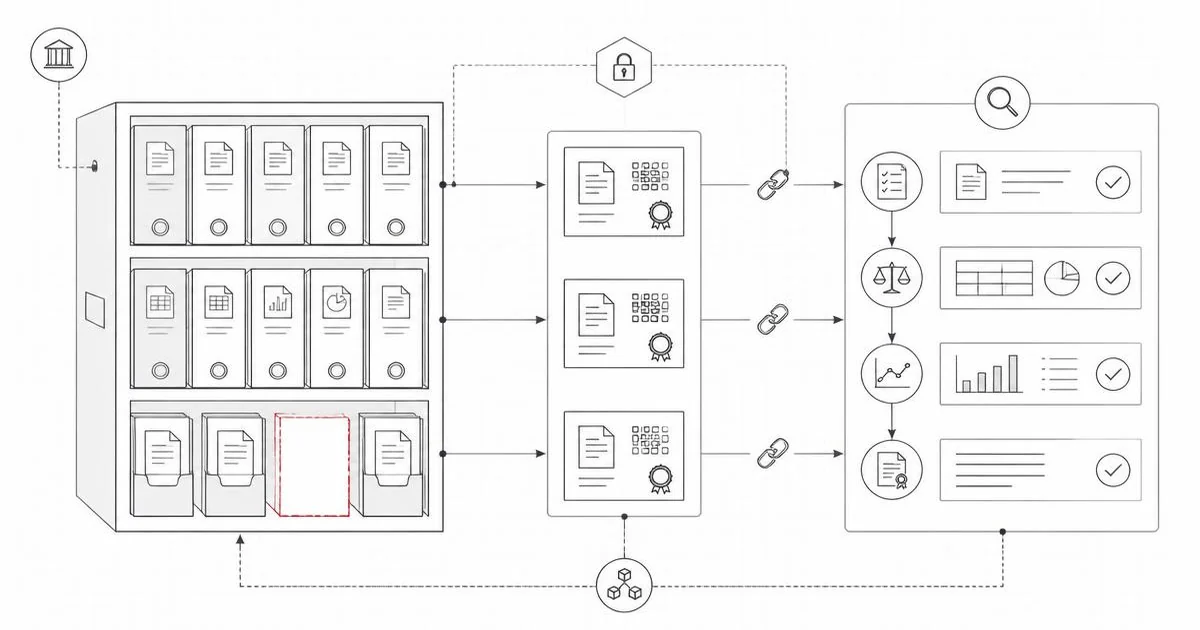
A replayable record is useful when questions arise later. The organization can show which version of a report the board received, what evidence supported the recommendation, who approved an action, and whether the outcome matched the original expectation.
Cybersecurity governance begins with the people who govern the institution. Protecting board information is therefore not an administrative detail. It is part of protecting the organization’s decision-making capacity.