A donor database rarely looks like a national security asset. For many nonprofits, however, it contains the organization’s most valuable concentration of personal information. Names, addresses, giving histories, payment relationships, planned gifts, correspondence, event attendance, and personal notes may all reside in one platform.
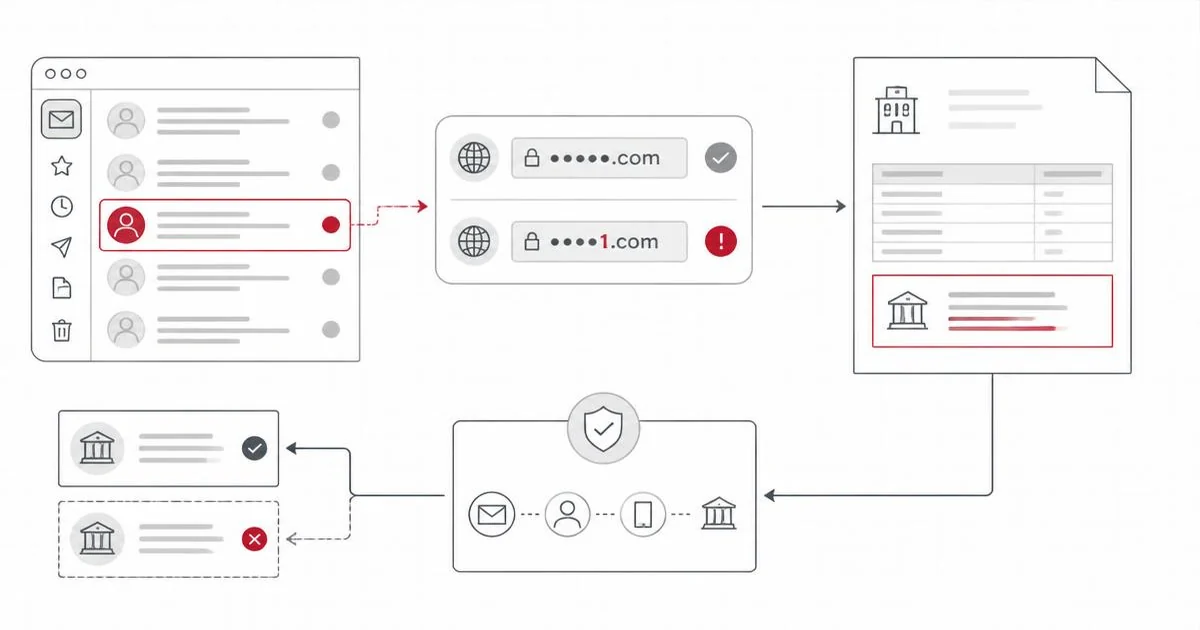
The most likely route into that system is not a dramatic technical breach. It may be a compromised staff account, an old volunteer login, an integration token that was never revoked, or a session created on an unmanaged device. Once an attacker is inside, a large data export can resemble ordinary development work.
That is why donor security cannot rest on passwords and static permissions alone. Context matters. A download performed by the development director during business hours may be legitimate. The same action from an unfamiliar device, following a password reset and an unusual login, presents a different risk.
ArtOfTheHack applies KRYOS-XS Hypercube above the systems already in use. The overlay can evaluate identity, device condition, network context, requested action, data sensitivity, recent administrative changes, threat information, and the quality of the available evidence. When the evidence is incomplete or contradictory, the correct response may be stronger authentication, a narrower session, temporary export restrictions, or human review. A complete shutdown is not always necessary.
Each consequential decision can be retained with its evidence, uncertainty, required authority, validity period, and rollback plan. That record matters when leadership must explain why access was restricted or why an unusual transaction was permitted.
The purpose is not to make fundraising harder. It is to distinguish normal relationship management from behavior that materially changes the organization’s exposure. For a nonprofit with a small technology team, that distinction is often more valuable than another alert.