Events create a temporary concentration of data, identities, devices, vendors, and public attention. Registration records may contain names, employers, dietary needs, travel details, payment information, accessibility requirements, and session choices.
Think tanks and institutes may also host officials, dissidents, journalists, donors, researchers, or representatives of competing interests. The attendee list itself can be sensitive.
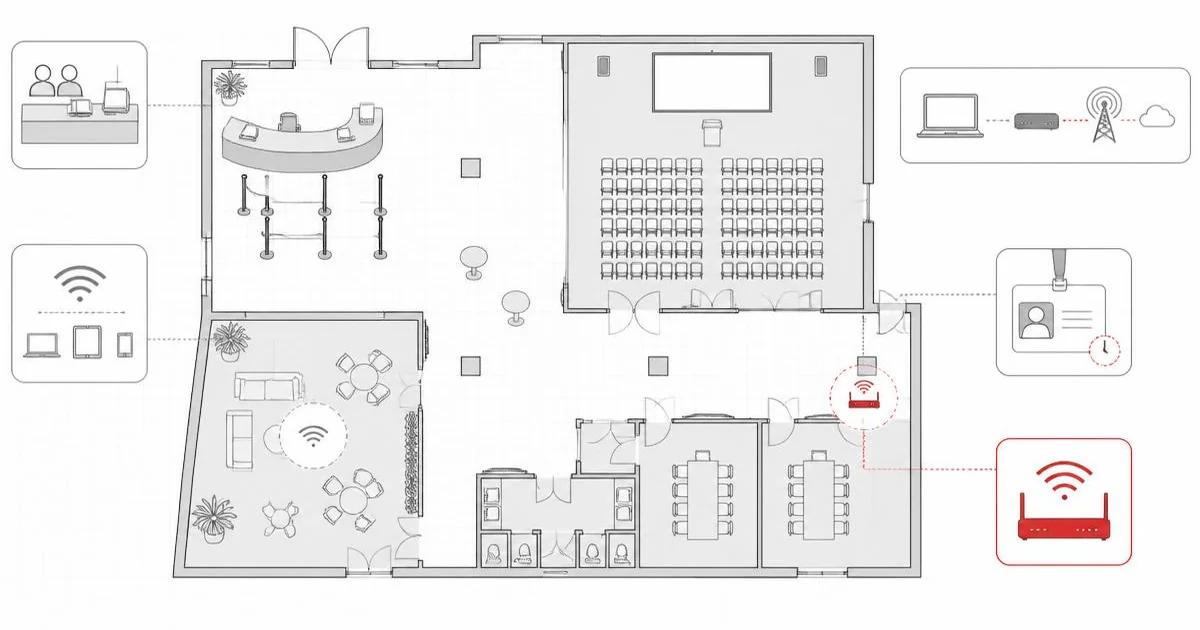
Event technology is often assembled quickly. Registration platforms, mobile applications, wireless networks, badge systems, payment tools, video services, mailing lists, and temporary staff accounts may all be connected for a short period. Temporary does not mean low risk.
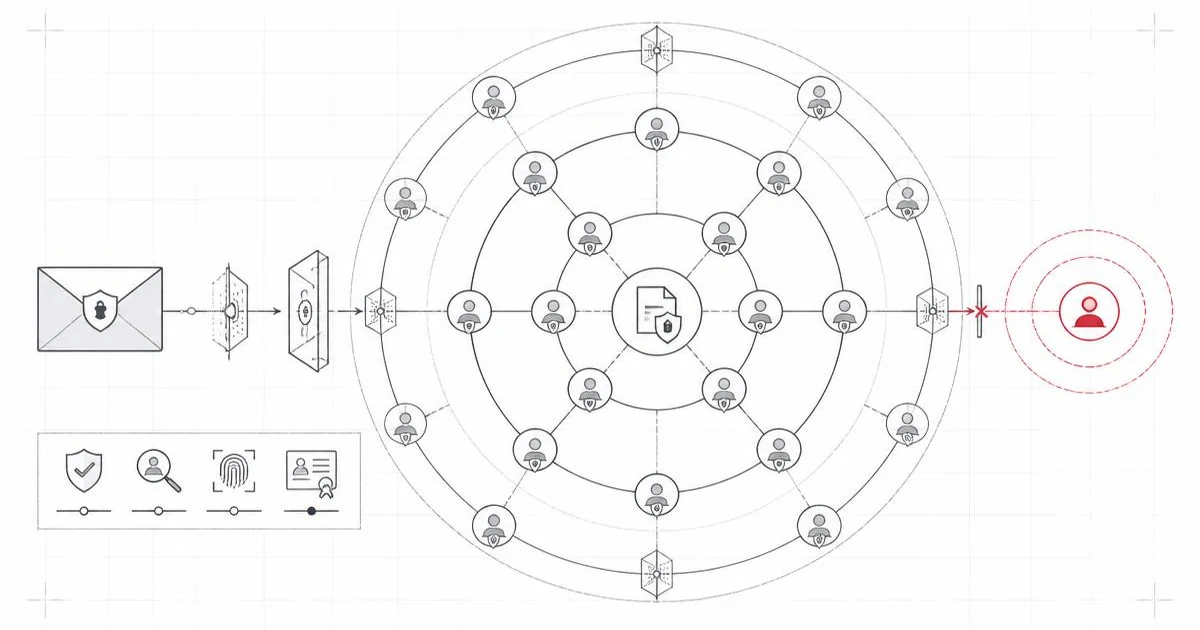
A useful security model begins by separating public information from restricted information. A participant may appear on the public program while travel details remain visible only to designated staff. A vendor may need badge data without access to payment or contact records.
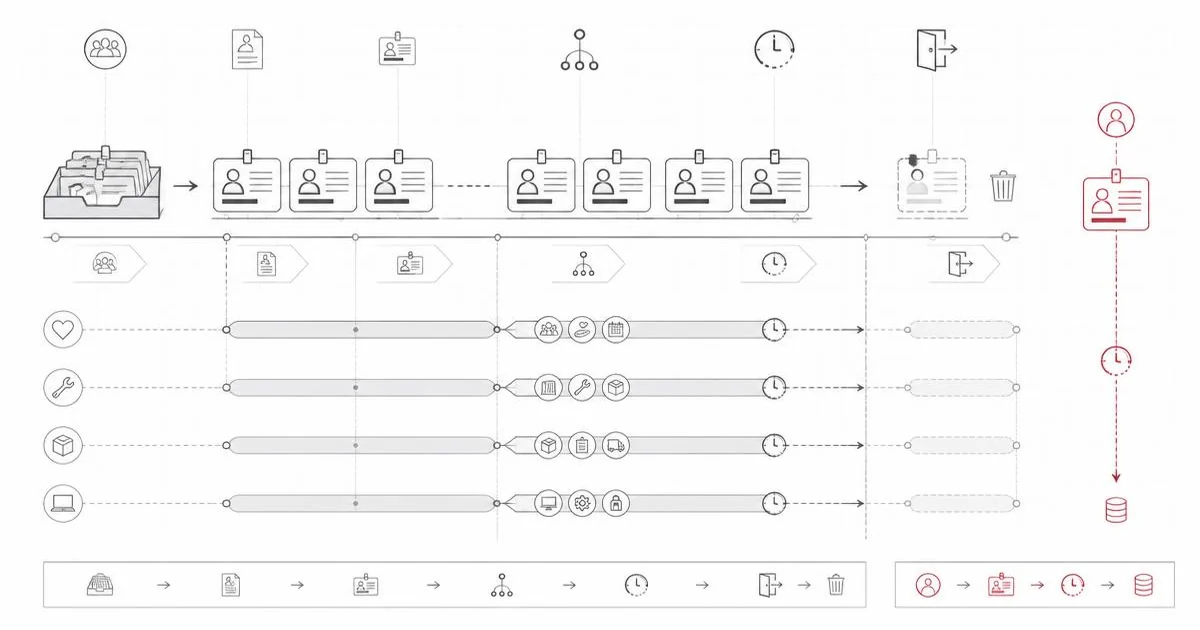
KRYOS-XS Hypercube can evaluate access by role, event, system, device, requested action, and time. Temporary permissions can expire automatically. Bulk exports can require approval. Unusual administrative changes can trigger stronger authentication or review.
The same reasoning applies during the event. A new device on the event network is not automatically hostile, but its access to internal systems should remain limited. A temporary contractor should not inherit permanent credentials.
After the event, the organization should remove accounts, close sharing links, revoke integration tokens, and apply the stated retention policy.
Event security is often neglected because the systems are short-lived. In practice, their rushed creation and broad participation make them particularly vulnerable. A disciplined access model protects participants without turning the event into a fortress.