Volunteer access is a governance problem disguised as an onboarding task. Nonprofits often rely on interns, fellows, seasonal employees, project consultants, board members, event workers, and volunteers. Their access requirements may be legitimate but short-lived.
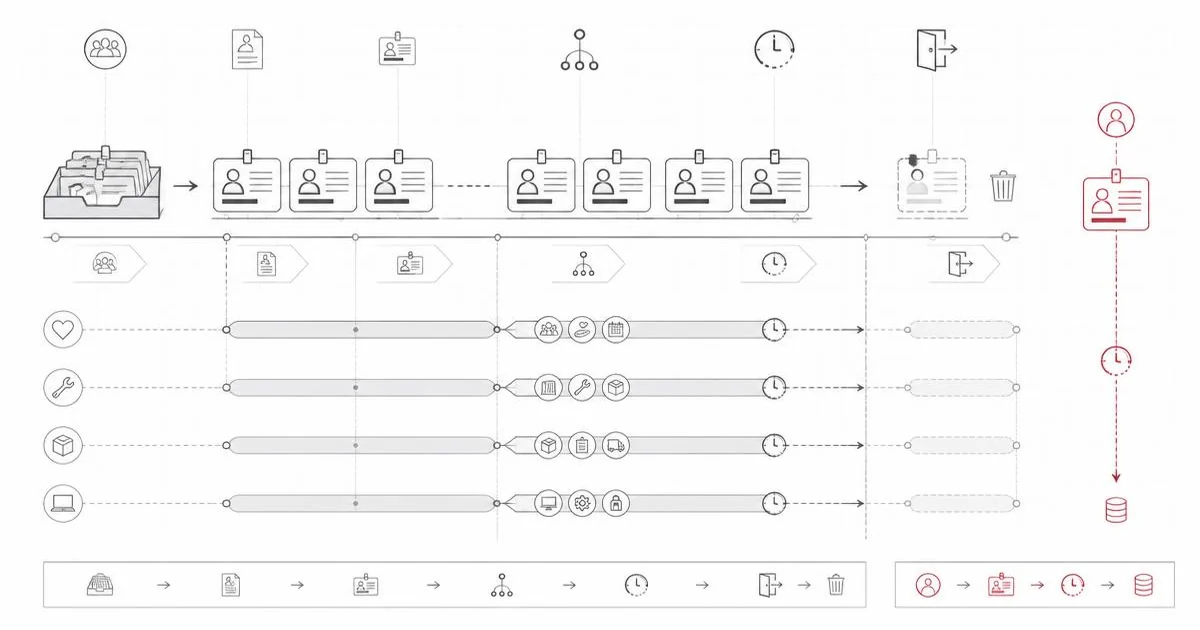
The common failure is permission accumulation. A volunteer receives access to a shared drive for one event, later joins another project, and eventually retains several folders that no longer relate to current work. The account remains active because no one is certain who owns the decision to remove it.
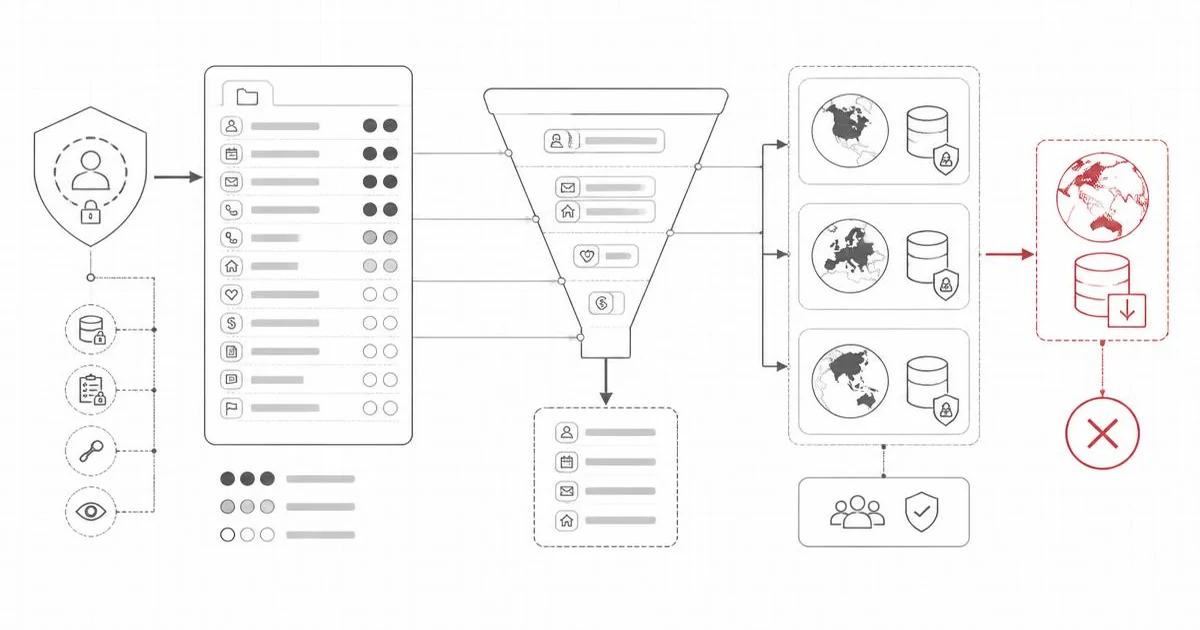
Static role assignments rarely capture the real situation. A person may need access to one project, during one period, from one approved device, without permission to download or share records outside the organization.
A contextual access model can set expiration at the moment access is granted. It can require a named sponsor, define the permitted resources, limit the duration, and trigger re-evaluation when the role changes. Privilege should be treated as a temporary institutional decision, not a permanent property of the user.
KRYOS-XS Hypercube can compare identity status, sponsor approval, device posture, project membership, data sensitivity, recent activity, and policy. If the evidence no longer supports access, the system may recommend expiration, narrower permissions, stronger authentication, or formal review.
Offboarding deserves the same attention as onboarding. Removing an account is not enough if the person still holds shared links, API tokens, forwarded email, downloaded files, or access through a partner platform. The complete access path must be considered.
For resource-constrained organizations, this model reduces the burden of manually reviewing every permission while keeping final authority with designated staff. It also treats volunteers with fairness. Restrictions arise from current context and policy, not from assumptions about a person’s trustworthiness.