Beneficiary information is not ordinary administrative data. It may reveal health conditions, immigration status, family relationships, financial hardship, legal vulnerability, disability, political affiliation, or physical location. A breach can harm the people an organization exists to serve.
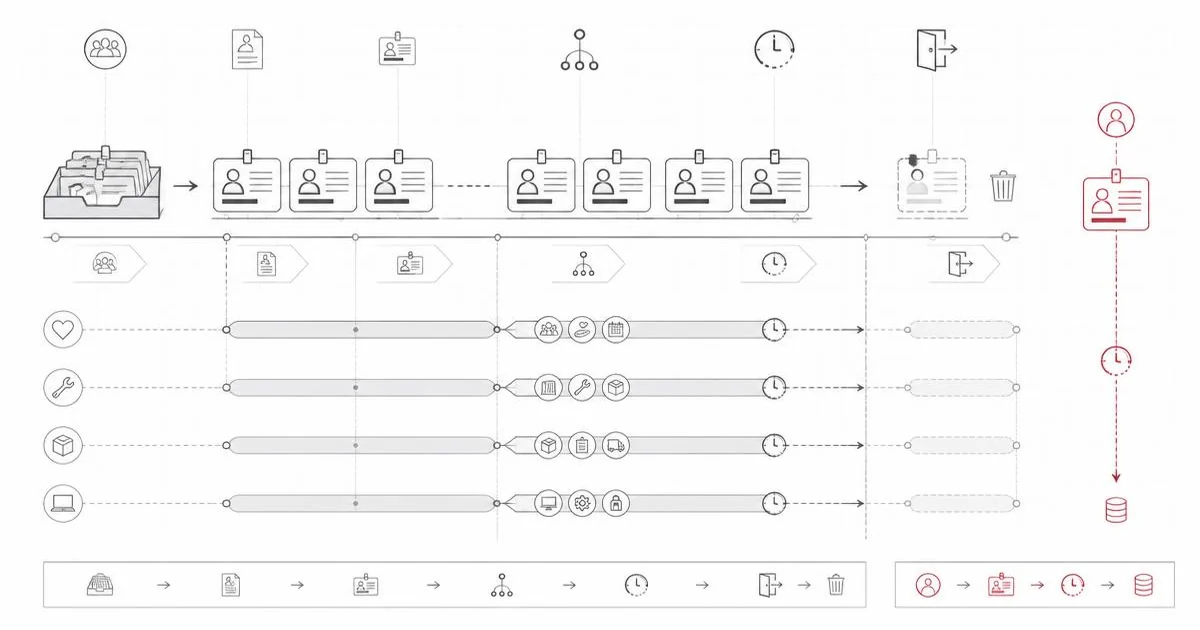
Many NGOs collect this information across several environments. A case may begin on a mobile device, move into a cloud form, enter a case-management platform, pass through a partner organization, and appear again in grant reporting. Each transfer creates another identity, application, device, and policy boundary.
Traditional access control asks whether a user has permission to open a record. A safer question is whether that person should access that specific record, from that device, for that purpose, at that moment. The difference is substantial.
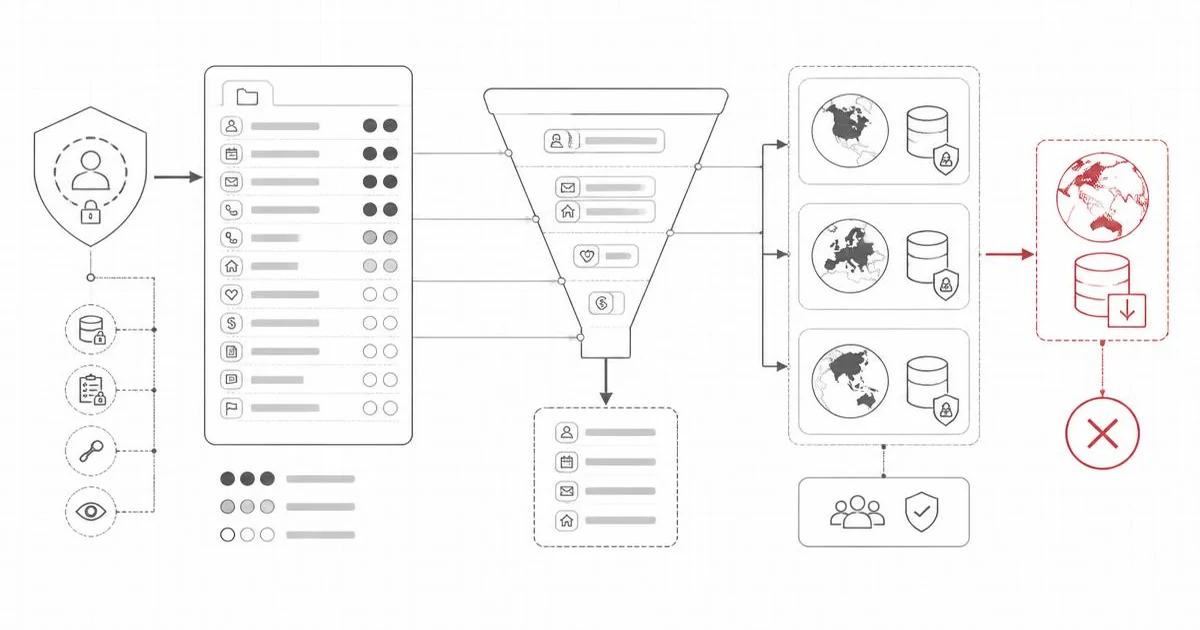
KRYOS-XS Hypercube can evaluate the full context surrounding a request. A field officer may need access to a beneficiary file during an emergency. A finance contractor may need aggregate program data but should never see personal case notes. A partner organization may have permission to update one portion of a case while remaining excluded from medical or legal information.
The most effective control is often narrower than denial. The system may recommend masking selected fields, preventing download, limiting session duration, requiring approval, or granting access only to the minimum record set required for the task.
This approach also helps prevent well-intentioned mistakes. Many data incidents are caused by broad sharing, incorrect recipients, inherited permissions, or exports created for legitimate reporting. Contextual controls can identify when a routine action creates an unusual concentration of sensitive information.
For beneficiary-centered organizations, cybersecurity must follow the principle of avoiding harm. Protecting data is not simply a matter of institutional reputation. It is part of the organization’s ethical duty to the people who trusted it.