Nonprofits rarely operate alone. They exchange information with funders, partner NGOs, consultants, auditors, researchers, government agencies, service providers, and community organizations.
The difficult question is not whether data may be shared. It is which data, for which purpose, with which recipient, under which conditions, and for how long.
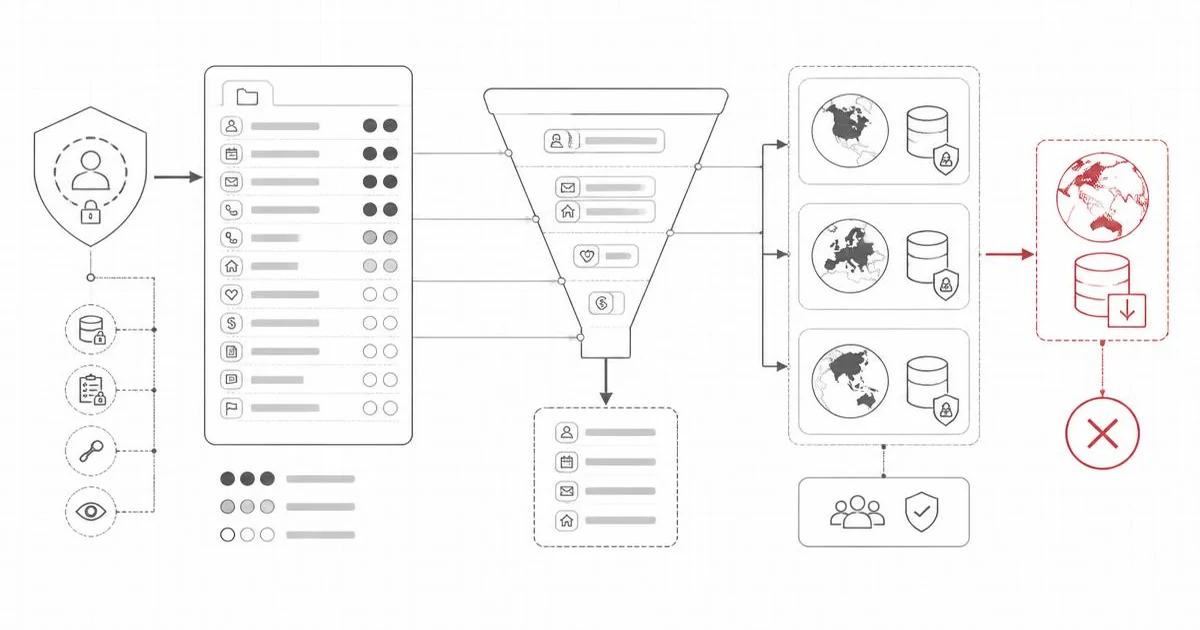
Broad exports are common because they are convenient. A funding report may require aggregate outcomes, but the organization sends a spreadsheet containing individual records. A consultant may need selected documents but receives an entire shared drive.
KRYOS-XS Hypercube can evaluate the requested transfer against data classification, recipient identity, contractual purpose, jurisdiction, project, retention period, and the minimum information required. The system can recommend field masking, aggregation, secure viewing, download restrictions, or approval.
Data routing should also account for contradictions. A contract may permit transfer while internal policy prohibits the inclusion of certain identifiers. A funder request may be legitimate but exceed the consent originally obtained from beneficiaries.
Those conflicts should reach a responsible human rather than being resolved automatically.
The resulting decision record creates accountability. It shows what was shared, why it was shared, who approved it, which restrictions applied, and when access should end.
Effective data sharing does not mean refusing every request. It means making each transfer deliberate. That discipline protects the organization, its partners, and the people whose information is being exchanged.