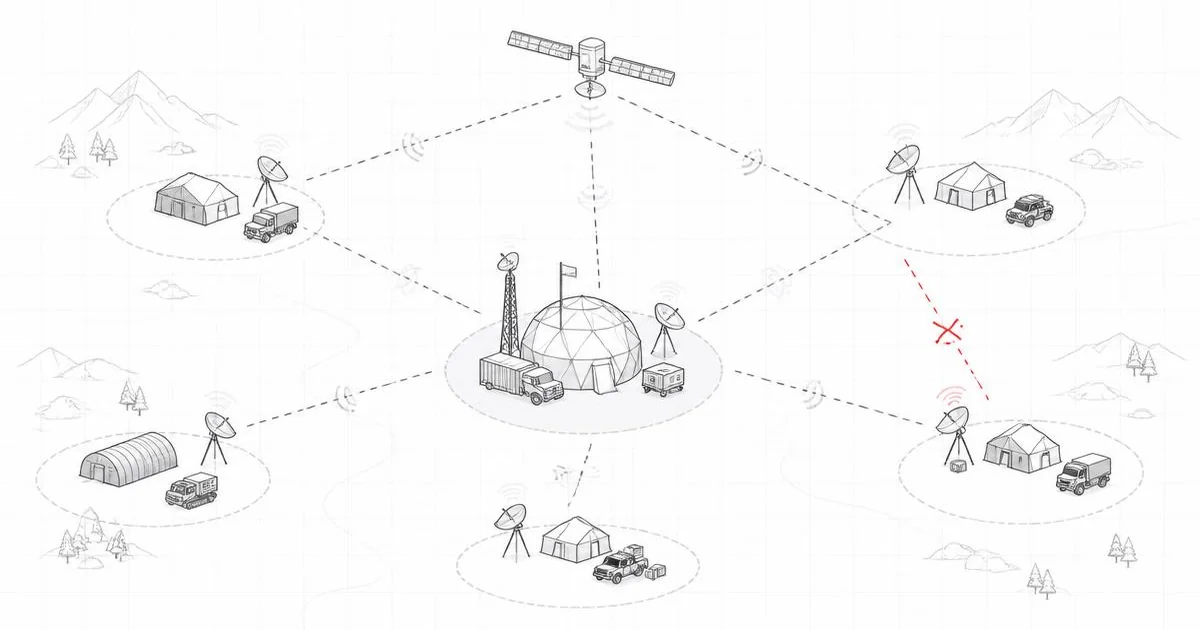
A globally distributed nonprofit has no reliable perimeter. Staff may work from headquarters, home offices, field sites, airports, partner facilities, and temporary locations. Applications may be spread across several cloud providers and software platforms.
Zero Trust is often reduced to the phrase “never trust, always verify.” The practical challenge is deciding what verification is sufficient for a particular action.
Access to a public communications folder should not require the same evidence as access to beneficiary records or global administrator privileges. A useful Zero Trust program evaluates consequence, not just identity.
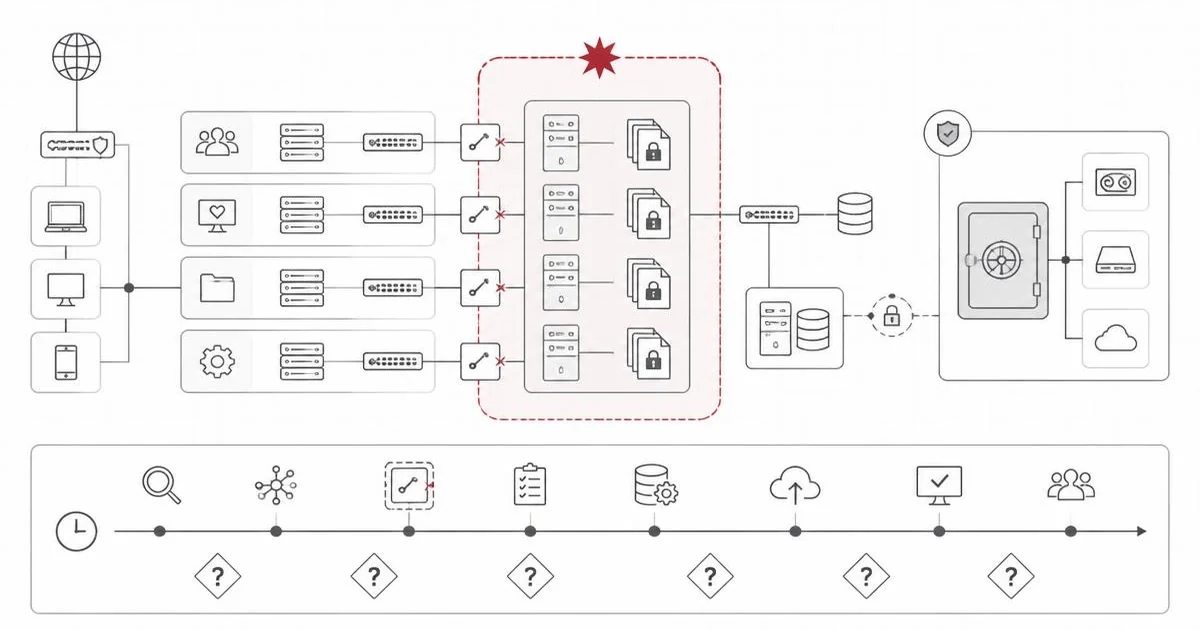
KRYOS-XS Hypercube can combine identity assurance, device posture, network context, requested action, resource sensitivity, privilege, behavior, threat state, time, and uncertainty. The outcome can be more precise than allow or deny.
A user may be permitted to continue with a shorter session. A sensitive action may require stronger authentication. Elevated access may be issued for fifteen minutes and tied to one ticket. Download may be disabled while viewing remains available.
The architecture should preserve deterministic fast paths for routine requests. Deep reasoning belongs on contested, unusual, or high-consequence cases. This keeps the system usable and avoids placing unnecessary friction on ordinary work.
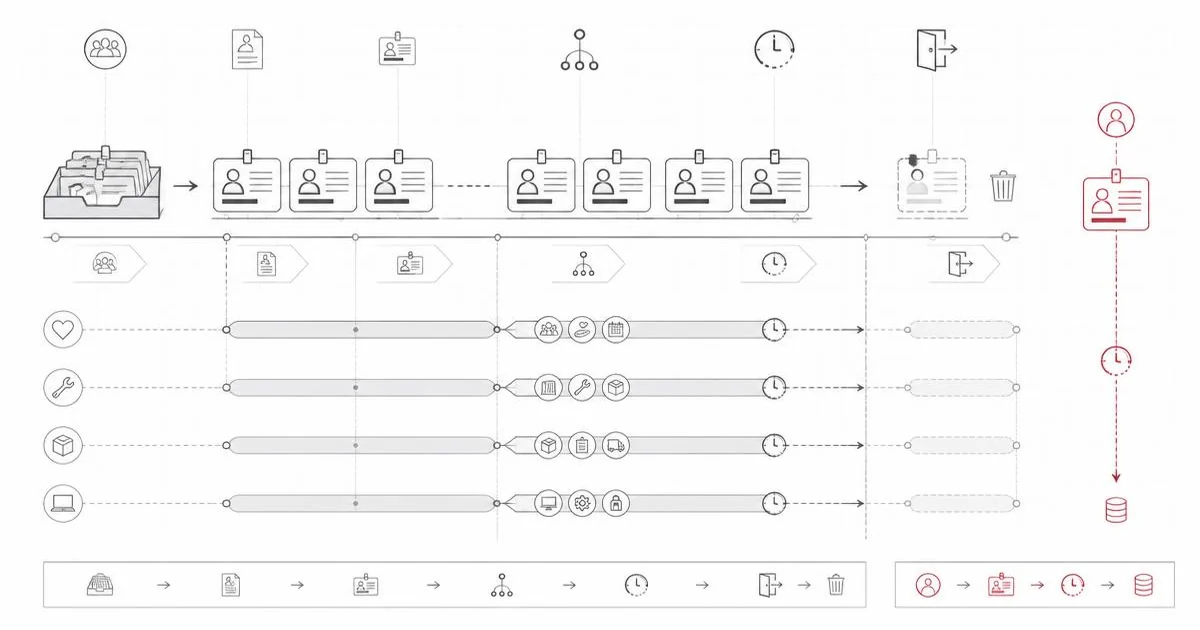
Zero Trust also requires expiration. Access should be re-evaluated when the device changes, the project ends, the risk increases, or the evidence becomes stale.
For a nonprofit, the goal is not permanent suspicion. It is continuous, proportionate judgment. Trust becomes a current decision grounded in evidence rather than an assumption inherited from an old role assignment.