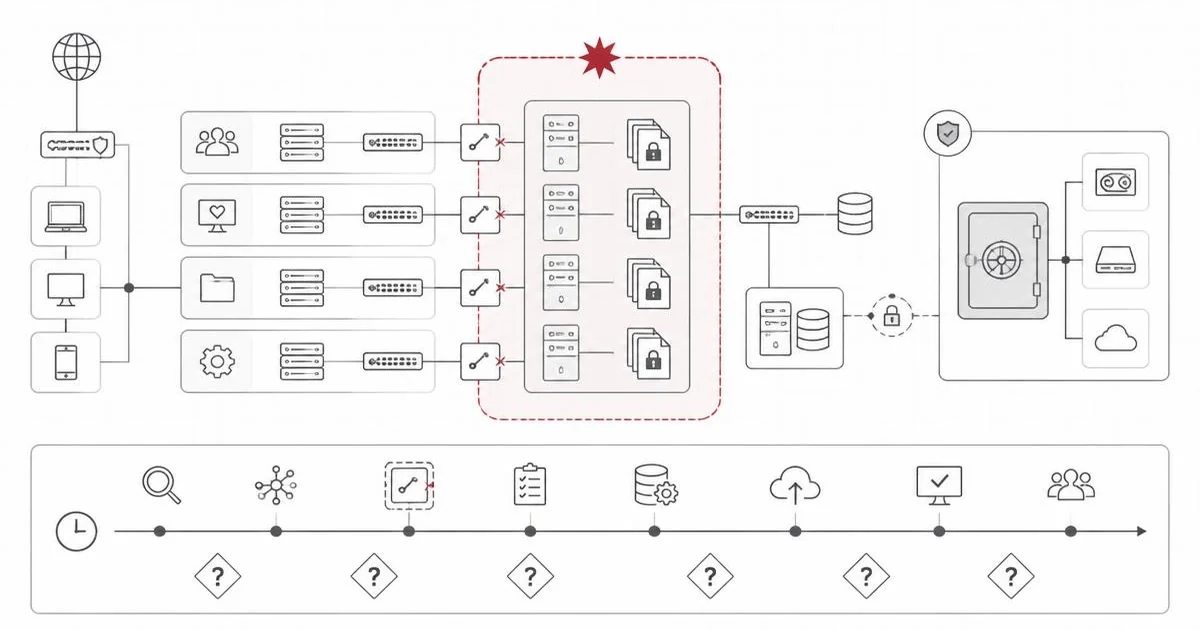
Ransomware creates pressure for immediate action. Under that pressure, organizations may isolate systems, disable accounts, disconnect networks, or suspend services before they understand the full consequence.
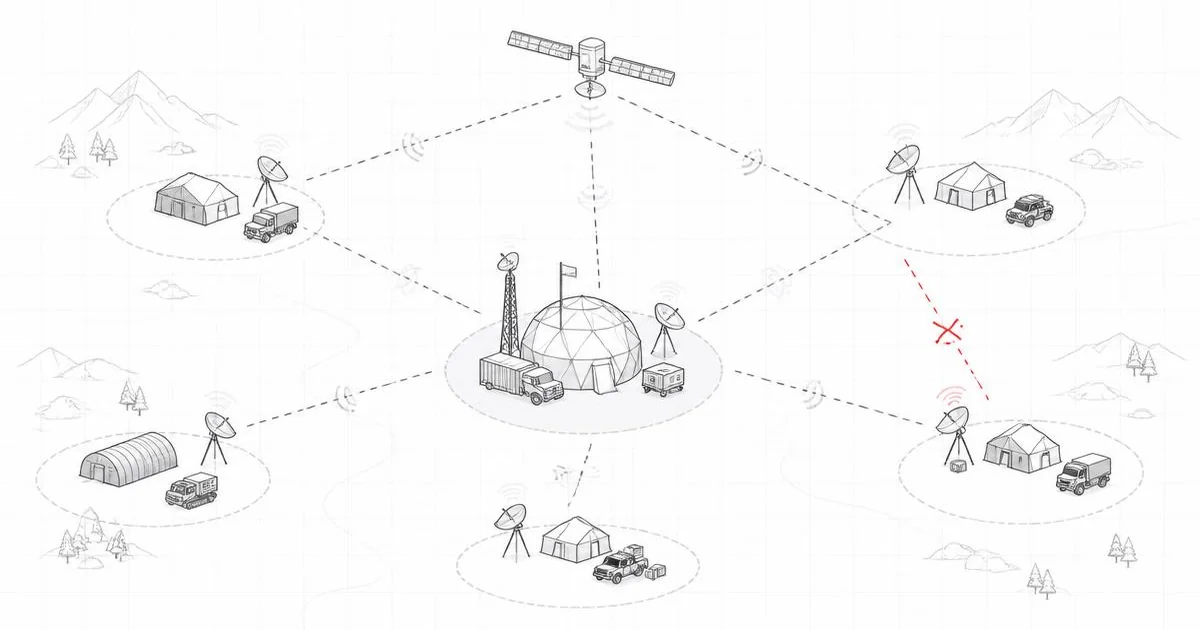
Some aggressive responses are necessary. Others can deepen the damage. Disabling an identity platform may block administrators from recovery tools. Isolating a network segment may interrupt a clinic, hotline, shelter, or emergency coordination function. Restoring from backup may reintroduce a compromised identity if the dependency sequence is wrong.
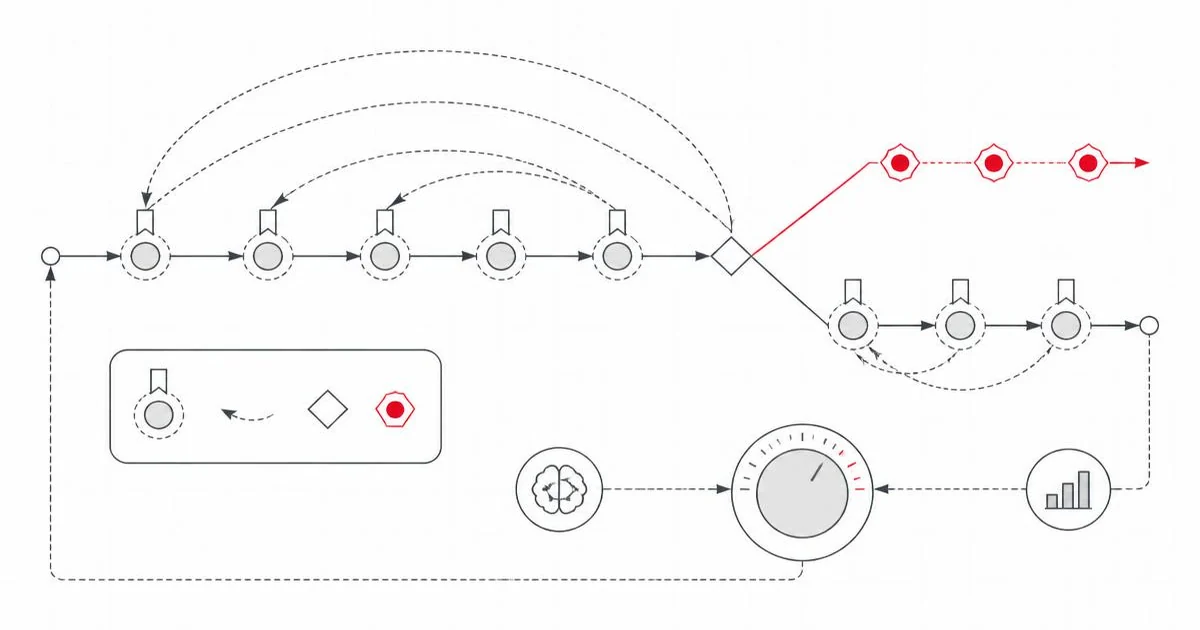
The response problem should be modeled as a set of alternatives. One option may offer greater containment but severe operational disruption. Another may preserve essential services while accepting temporary residual risk.
A cyber digital twin can represent identities, devices, applications, data stores, dependencies, controls, and recovery resources. KRYOS-XS Hypercube can use that model to compare credential revocation, endpoint isolation, network segmentation, application shutdown, backup restoration, and continued monitoring.
The model should disclose its assumptions. It cannot guarantee how an attacker will behave. It can, however, make the tradeoffs visible before leadership authorizes a disruptive action.
Human authority remains central. The system can prepare a recommendation, identify the required approver, attach a rollback plan, and record the final outcome. It should not seize control of the environment simply because the incident is severe.
After the crisis, the decision record supports a more honest review. Leaders can compare what they believed, what they did, and what actually happened. That comparison improves future response policy.
Ransomware resilience depends on more than backups. It depends on making good decisions while the organization is under stress.