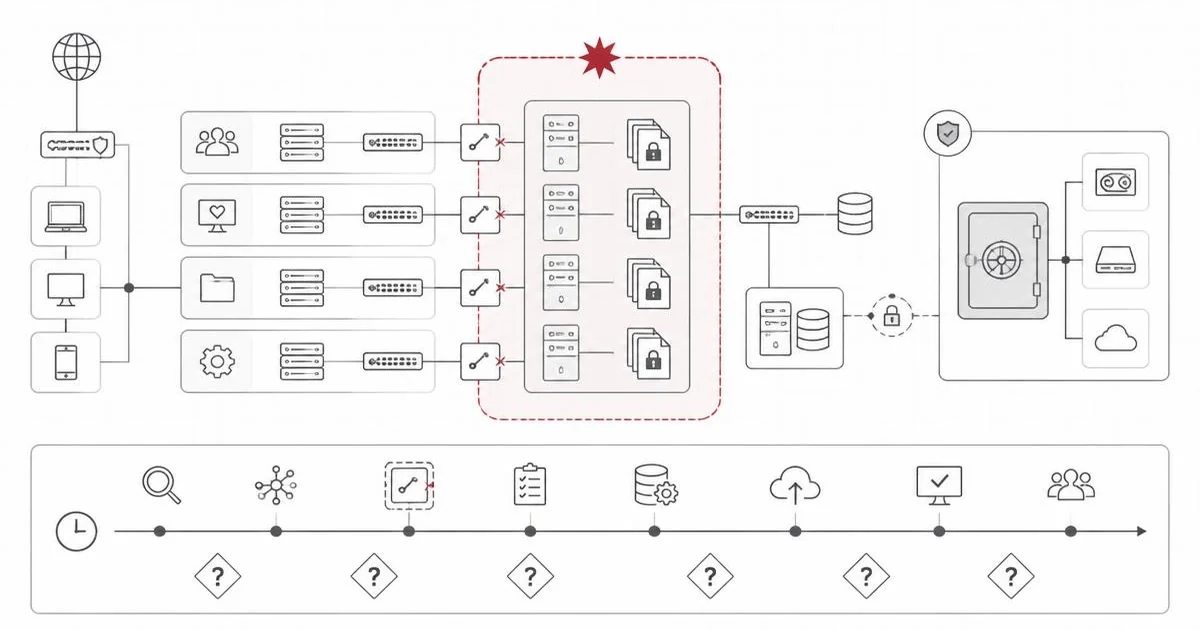
Recovery is not simply a backup problem. It is a dependency problem.
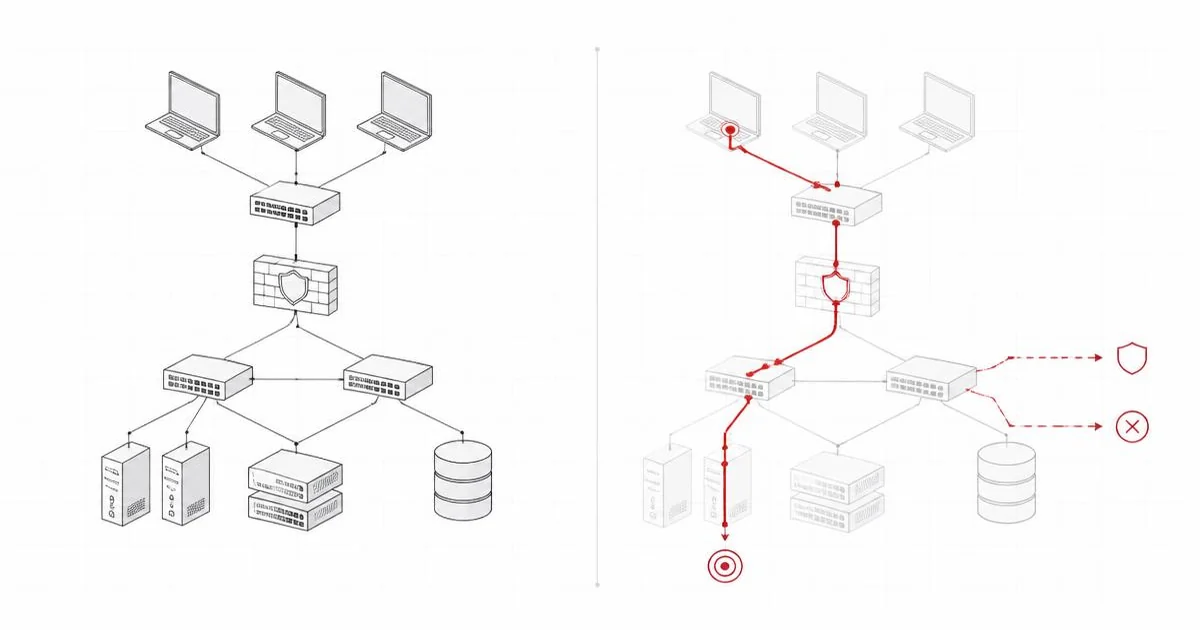
A database may be restored while the identity system remains compromised. An application may return while the service account it depends on is disabled. A clean server may reconnect to an unsafe network. The order of recovery matters.
KRYOS-XS Hypercube can map systems, identities, data, controls, and operational dependencies. It can compare restoration sequences and identify where one recovery action creates another exposure.
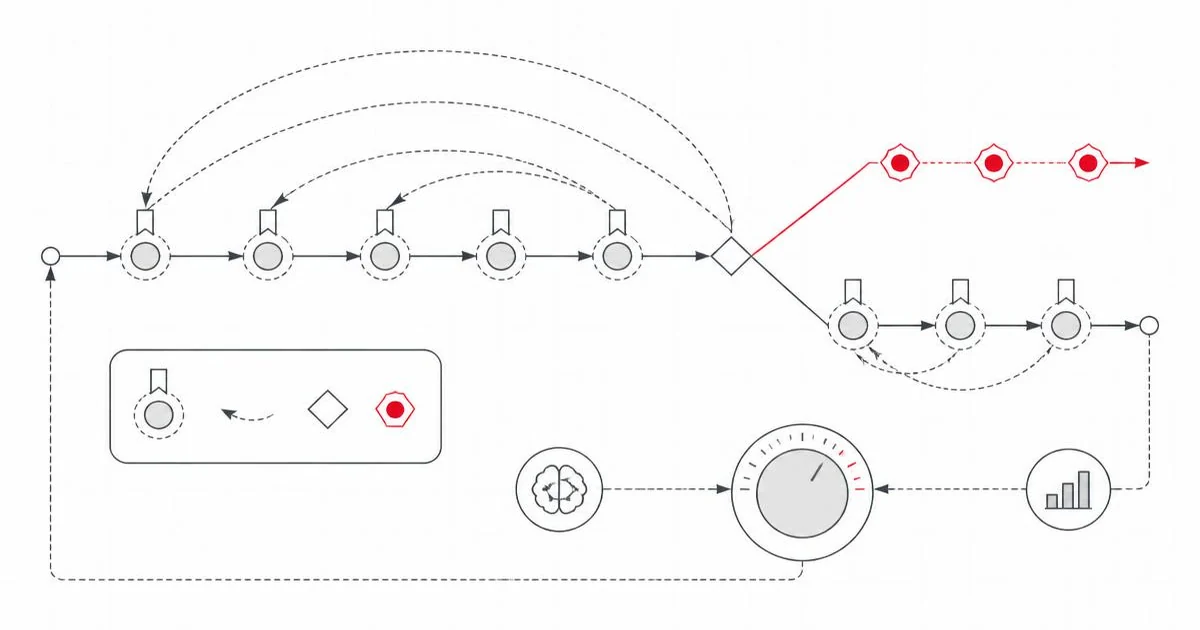
Reversibility should be planned before a response executes. If the organization isolates a device, revokes a credential, changes a firewall rule, or disables an integration, it should know how normal operation will be restored.
Native fallback also matters. The organization’s existing tools must continue operating if the overlay becomes unavailable. A kill switch should stop approved automation without disabling the controls the organization already trusts.
After the incident, the outcome should return to the decision record. Did the containment action work? Did it cause unexpected disruption? Was the original hypothesis correct? Which source was useful? Which evidence was stale or misleading?
That feedback supports calibration. Future recommendations become better because the system learns from observed consequences rather than from abstract assumptions alone.
For nonprofits, recovery must be judged by mission restoration. A technically restored system is not enough if staff cannot serve beneficiaries, publish research, communicate with partners, or meet funder obligations.
Resilience is the ability to make disciplined decisions before, during, and after disruption. Technology supports that ability, but accountable people remain responsible for the outcome.
## Reusable ArtOfTheHack Footer
ArtOfTheHack applies KRYOS-XS Hypercube as a non-intrusive cybersecurity overlay to the systems an organization already operates. The platform reconciles security evidence, preserves uncertainty, compares response options, keeps authority with named people, and routes approved actions through existing controls. Eligible nonprofit organizations may apply for grant-funded access through a program funded by James Scott and managed by the Embassy Row Project.