Containment decisions are often made with incomplete information. Security teams know that an account, device, or application may be compromised, but they do not always know what will happen if it is isolated.
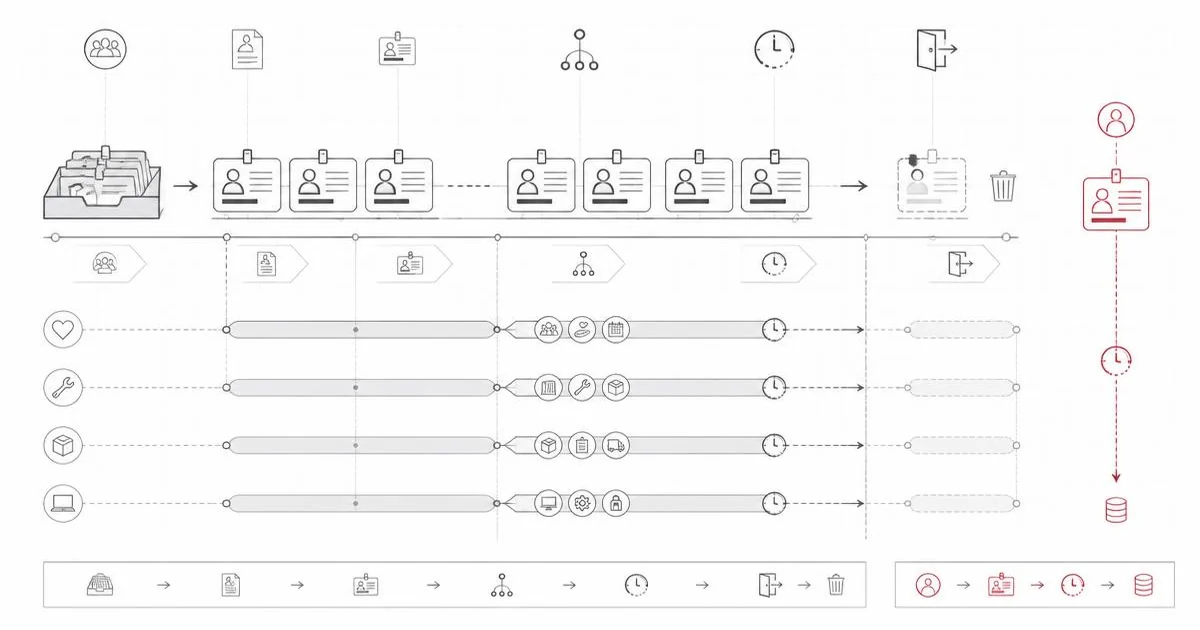
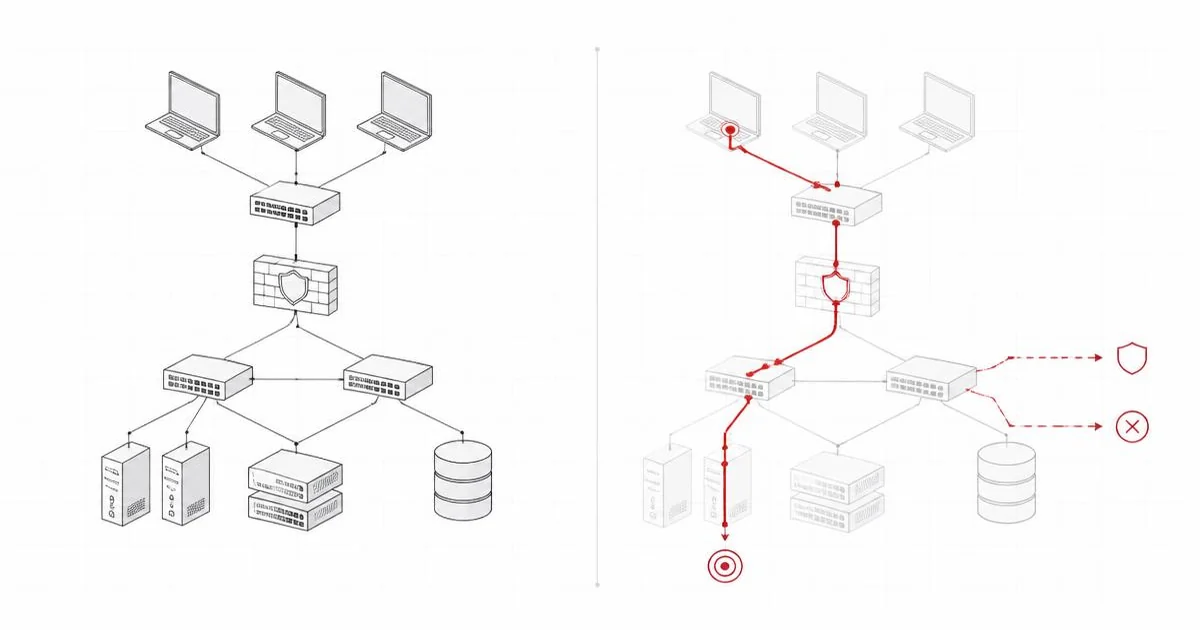
A cyber digital twin provides a modeled representation of the organization’s identities, devices, networks, applications, data, controls, dependencies, and recovery paths. It allows teams to compare response options before changing production systems.
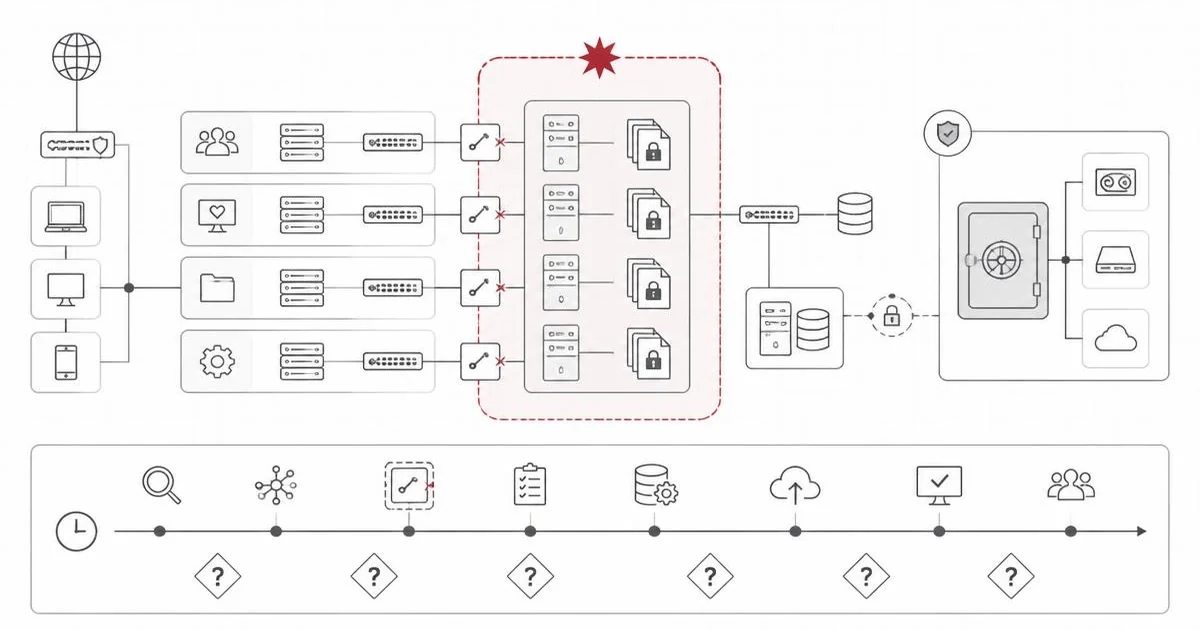
Consider a compromised administrator account. Full revocation may reduce risk quickly, but it may also interrupt backup systems, cloud operations, or emergency communications. A restricted session with stronger authentication may offer enough protection while preserving essential functions.
KRYOS-XS Hypercube can compare these alternatives across expected risk reduction, operational disruption, reversibility, confidence, uncertainty, and blast radius.
The model is not a prediction machine. It depends on the quality of the topology, control, and dependency information provided. Its value lies in making assumptions and tradeoffs explicit.
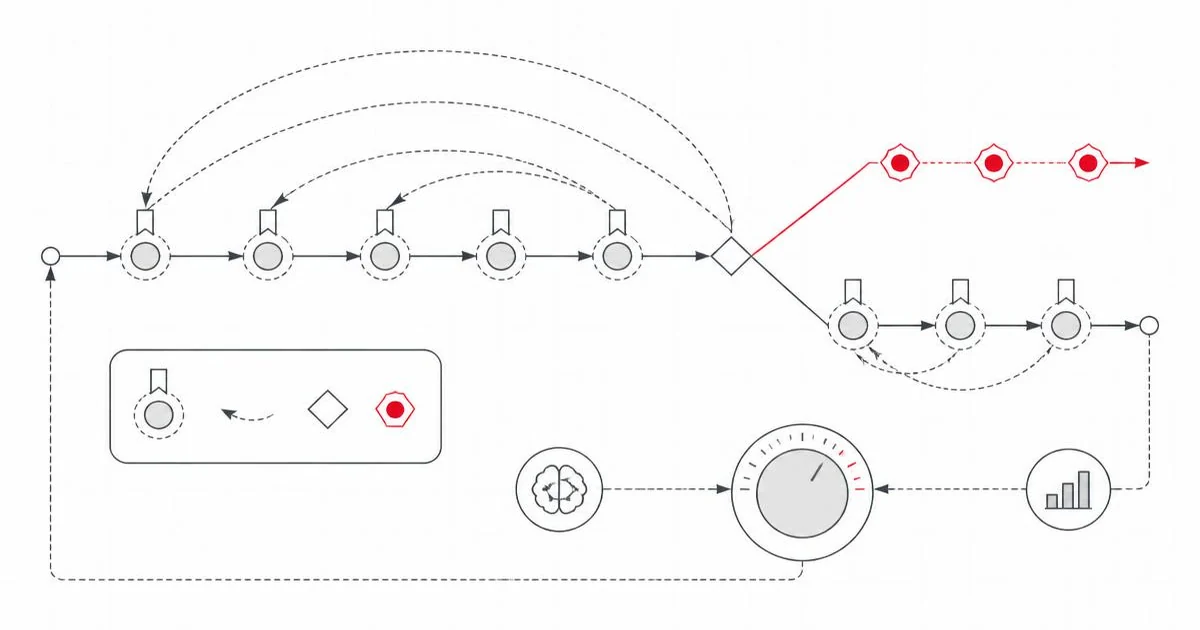
Simulation should remain separate from execution. The twin compares options. Policy determines which options are permitted. A named authority decides whether the action proceeds. Existing systems perform the action.
After execution, observed results can be compared with the modeled result. That comparison improves future simulations and reveals which dependencies were missing or misunderstood.
For nonprofits, the digital twin is especially valuable when an aggressive security action could interrupt services to communities. It provides a disciplined way to ask whether the proposed response will protect the mission or accidentally damage it.