Think tanks and institutes often depend on networks of diplomats, scholars, civil servants, journalists, scientists, business leaders, and regional experts. The value of those networks lies partly in the willingness of participants to speak candidly.
A breach may expose more than names and email addresses. It can reveal who met whom, which questions were asked, which positions were discussed, and which individuals contributed to a sensitive project. Relationship data can be more revealing than the documents themselves.
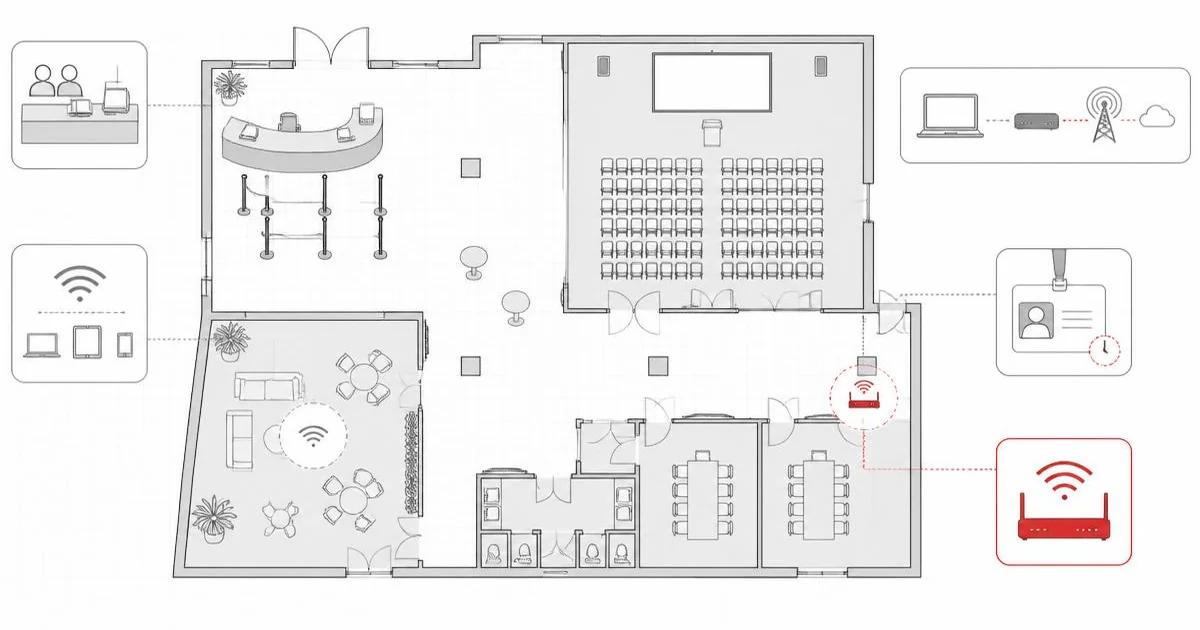
The security challenge is complicated by informal working practices. Experts may use personal devices, temporary accounts, external calendars, video platforms, and shared documents. Invitations are forwarded. Meeting notes are copied into multiple systems. Access expands faster than it is reviewed.
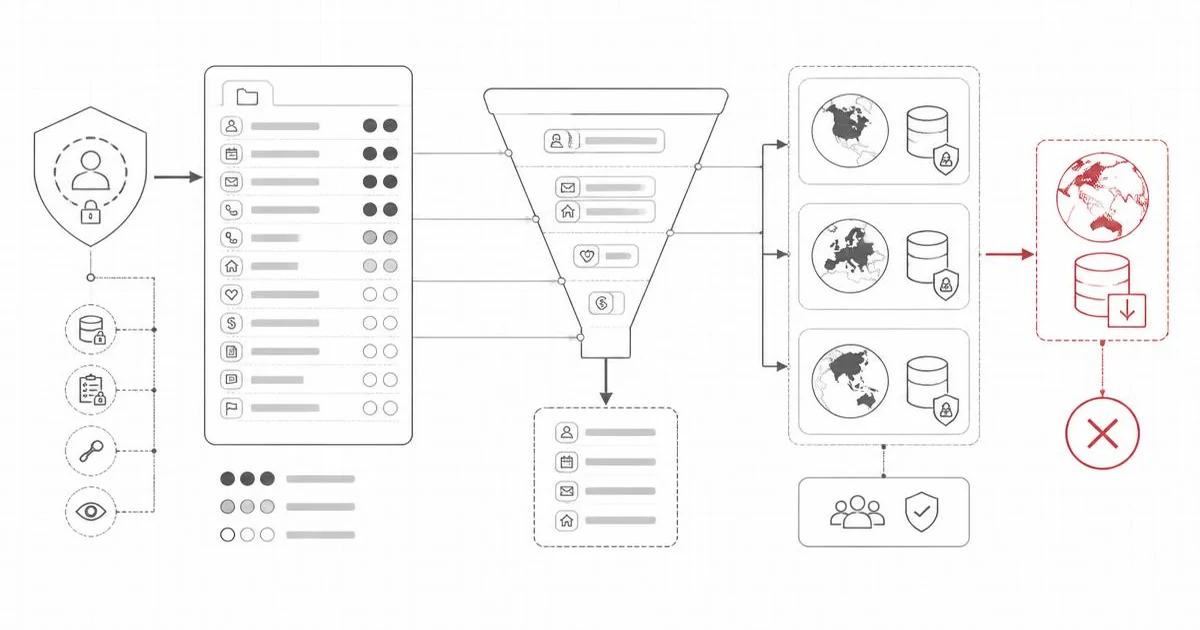
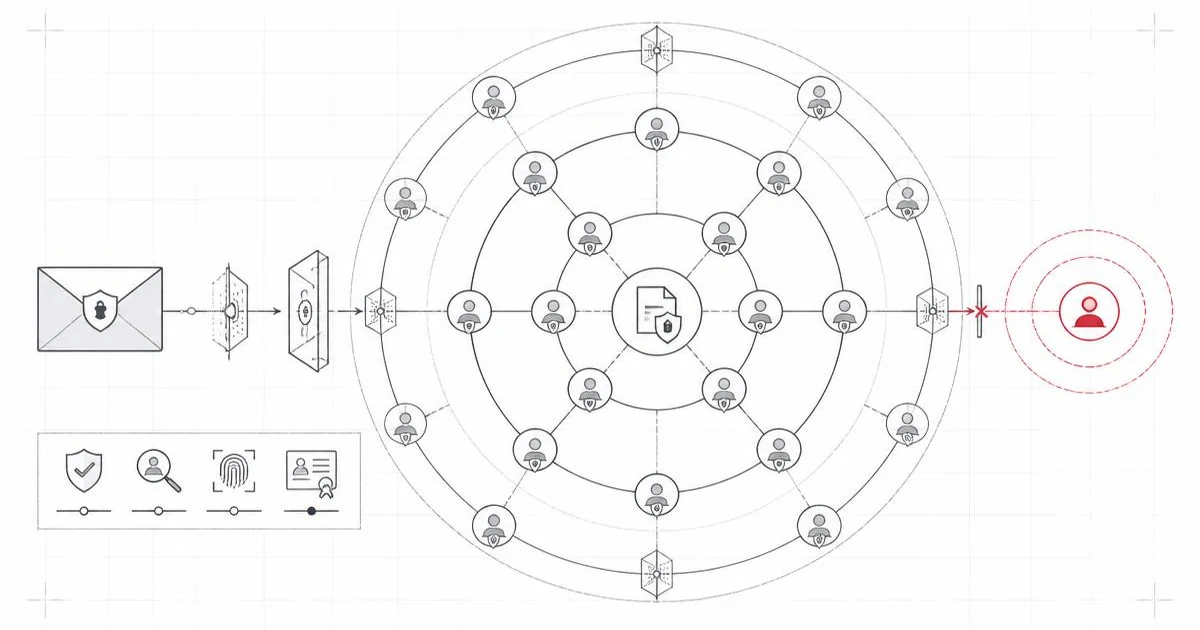
ArtOfTheHack can help the institution evaluate access according to purpose, project, sensitivity, device, identity assurance, and time. A participant may receive access to a briefing packet without seeing the full attendee list. A researcher may view notes but remain unable to export source identities. Access can expire when the engagement ends.
Threat intelligence also needs local relevance. A general warning about a campaign matters only if it connects to the institute’s people, systems, geography, or research topics.
The system should preserve uncertainty. An unusual login does not prove compromise. A contact with a sensitive role does not make the person a threat. Security decisions must remain evidence-based and proportionate.
Protecting an expert network is ultimately about preserving trust. When participants believe that the institution understands the sensitivity of their relationships, they are more likely to continue contributing honestly.