Think tanks often publish their work freely, which can create the impression that research security is a secondary concern. The most sensitive period, however, occurs before publication.
Draft findings may influence markets, legislation, diplomacy, litigation, regulation, or public debate. Interview notes may identify confidential sources. Peer-review comments may reveal internal disagreements. An embargoed report may be valuable precisely because the public has not yet seen it.
The research environment is usually distributed. Authors work through email, shared documents, cloud drives, research databases, messaging platforms, and external collaboration tools. Each system holds only part of the security context.
A document download by a senior researcher may be normal. The same download after an unusual login, from an unmanaged device, shortly before publication, deserves closer review. The problem cannot be resolved by the file-sharing platform alone.
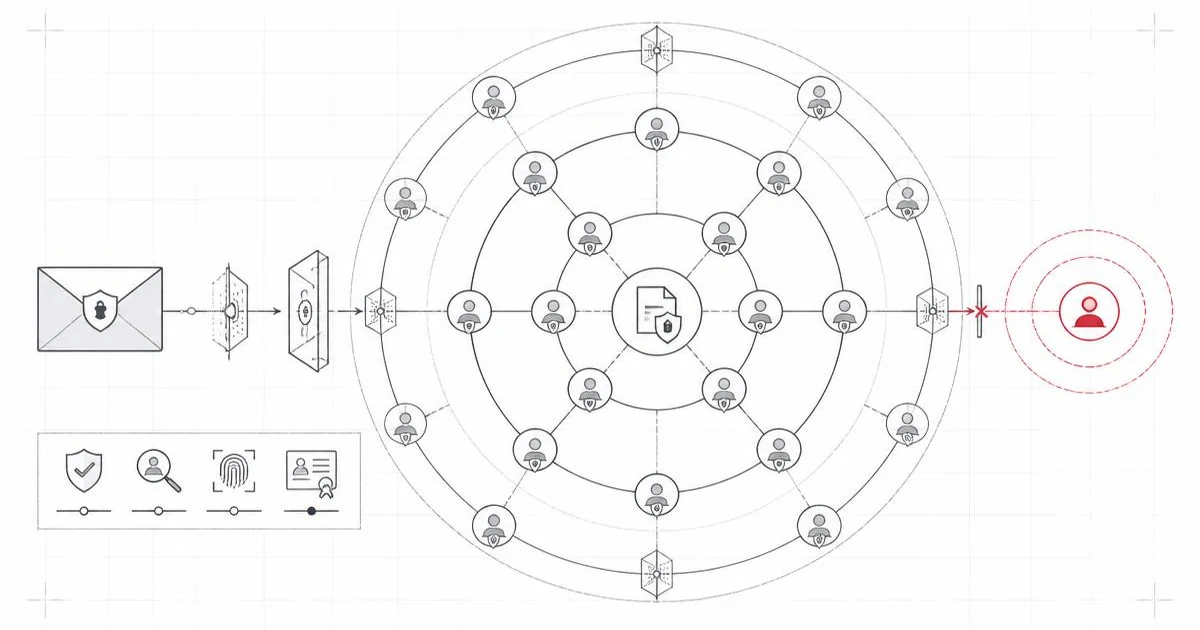
KRYOS-XS Hypercube can evaluate identity, device, network, project membership, document classification, publication status, recipient, time, and recent account activity. It can recommend constrained access, stronger authentication, download restrictions, link expiration, or human approval.
Contradictory evidence should remain visible. A researcher may be traveling legitimately while the endpoint platform reports an anomaly. A useful system should not force that evidence into a false binary conclusion.
The goal is not to obstruct scholarship. It is to protect the period when research is most vulnerable to theft, manipulation, selective disclosure, or premature release.
For policy institutes, confidentiality before publication is part of research integrity. A secure environment protects both the substance of the work and the credibility of the institution that produced it.