Nonprofit status does not make intellectual property less valuable. Research institutes may hold experimental methods, prototype designs, source code, unpublished findings, patent materials, licensing discussions, technical drawings, and grant-funded inventions.
The threat may come from a targeted outsider, a compromised collaborator, a former employee, an overly broad service account, or a legitimate user whose device has been taken over. These cases look different but can produce the same outcome.
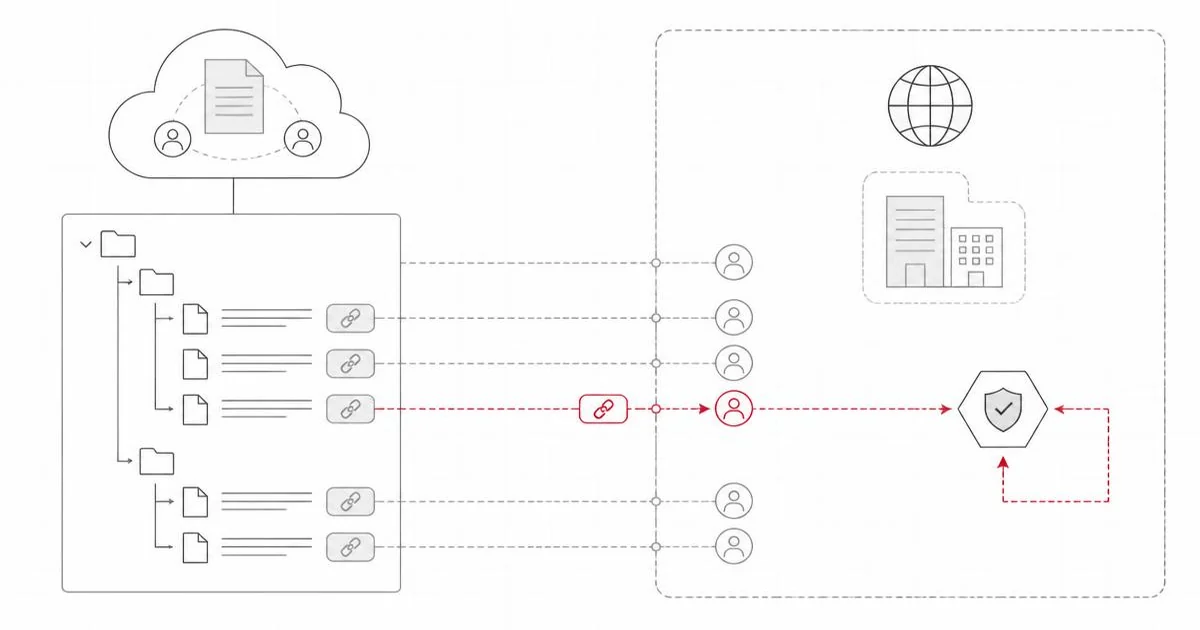
Intellectual-property protection requires more than marking a folder confidential. The institution must understand who can reach the information, through which identities, devices, applications, and dependencies.
Attack-path analysis is useful here. A low-privilege account may appear harmless until it is connected to a shared development environment, an exposed API key, and a cloud repository containing prototype files. The risk emerges from the relationship among those elements.
KRYOS-XS Hypercube can model those relationships and compare potential controls. Removing all access may halt research. Narrowing export rights, requiring stronger authentication, limiting session duration, rotating a credential, or isolating one device may reduce risk without stopping the program.
The decision should also account for timing. Access that is acceptable during an active collaboration may become inappropriate after a contract ends or a patent filing occurs.
A defensible record helps the institute show which controls protected the work, who approved exceptions, and whether a suspected disclosure actually occurred.
Intellectual property is not protected by secrecy alone. It is protected by disciplined access, visible provenance, and the ability to detect when ordinary research behavior begins to depart from its legitimate purpose.