Research partnerships create intellectual value by connecting people, methods, data, and institutions. They also create security ambiguity.
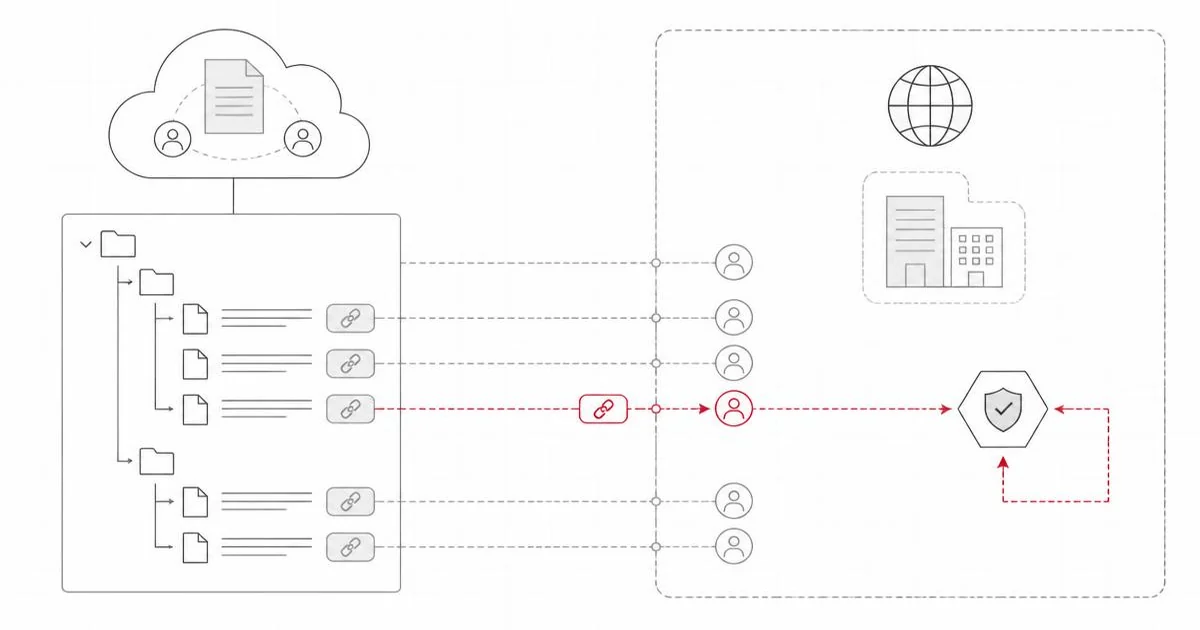
Each organization may use different identity systems, cloud platforms, retention rules, contractual obligations, and definitions of sensitive information. A user authorized by one institution may receive broader access than the project requires. A shared folder may outlive the collaboration that created it.
The solution is not to force every partner onto one technology stack. That is rarely practical and may create resistance. A better approach is to mediate access across the systems already in use.
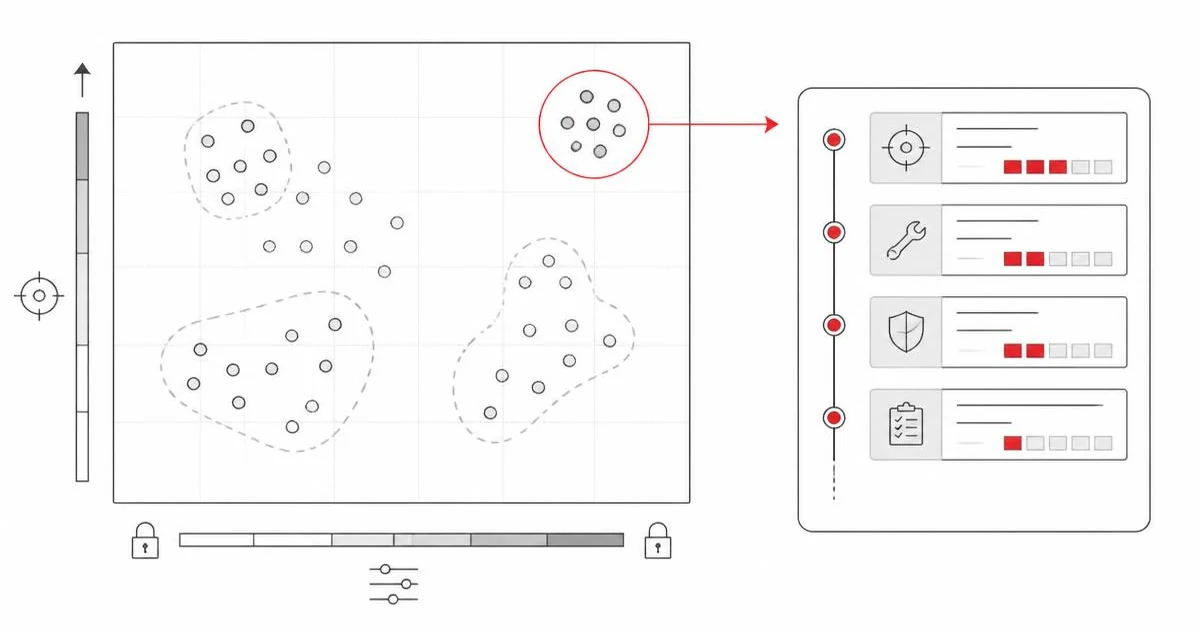
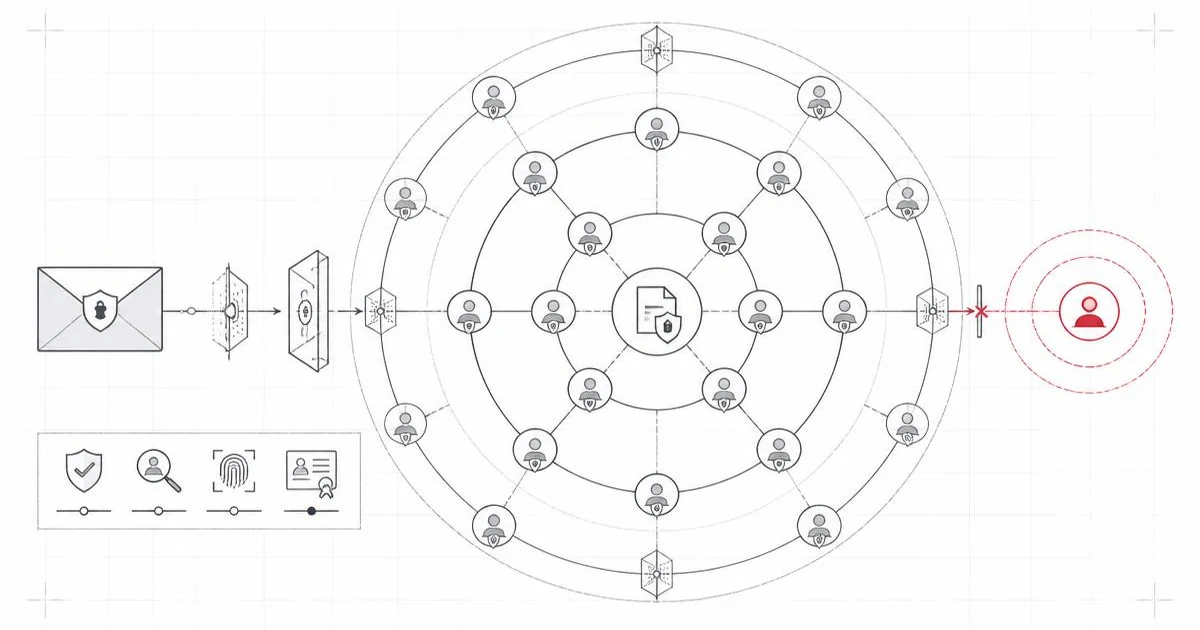
KRYOS-XS Hypercube can evaluate the subject, resource, project role, data classification, institution, device, location, requested action, and applicable policy. Access can be constrained by purpose and duration rather than granted through broad membership in a shared group.
A visiting researcher may be allowed to analyze a dataset without downloading it. A partner may contribute data while remaining unable to view records supplied by another institution. A project lead may approve exceptions when collaboration requires them, with the rationale and expiration recorded.
The same model can detect permission drift. When a project phase ends, access can be reviewed against the remaining purpose rather than preserved indefinitely.
Governance also matters when policies conflict. One institution may require long retention while another requires deletion. Those contradictions should be identified before data moves, not discovered during an audit or dispute.
Cross-institution work does not eliminate responsibility. It distributes it. Clear access boundaries, visible authority, and replayable decisions allow partners to collaborate without losing control of the information they contribute.