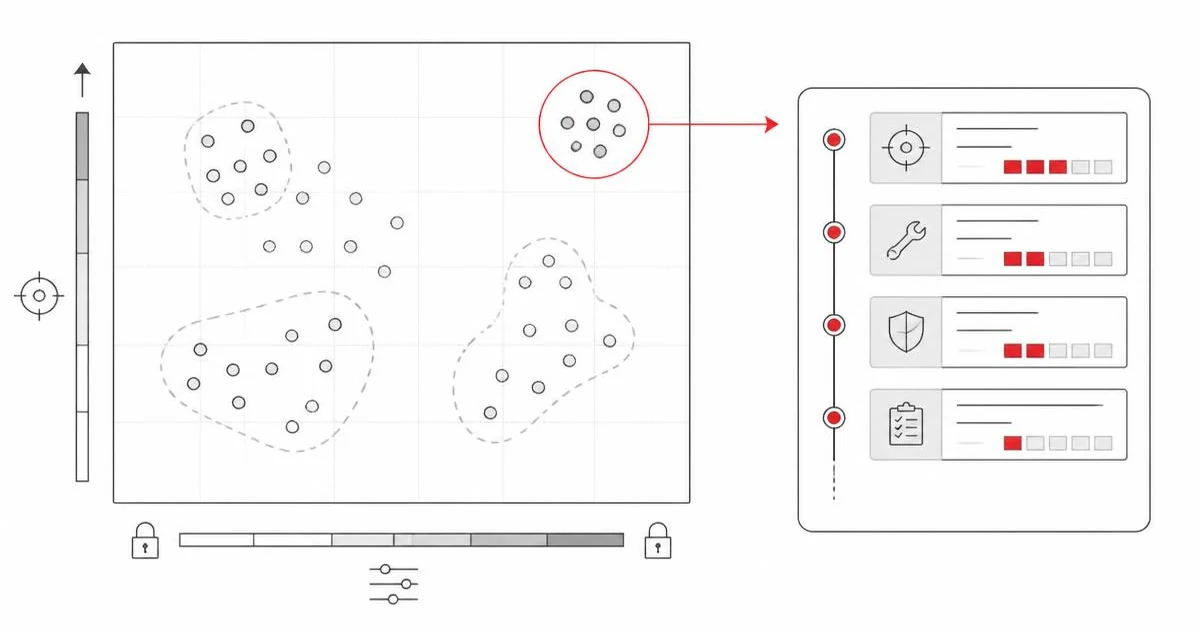
A vulnerability scanner may identify thousands of findings. The highest severity score does not always identify the most important problem.
A technical flaw on an isolated test system may have little practical consequence. A moderate flaw on a public application may provide a path into donor records, field communications, or research repositories. Severity matters, but it is only one variable.
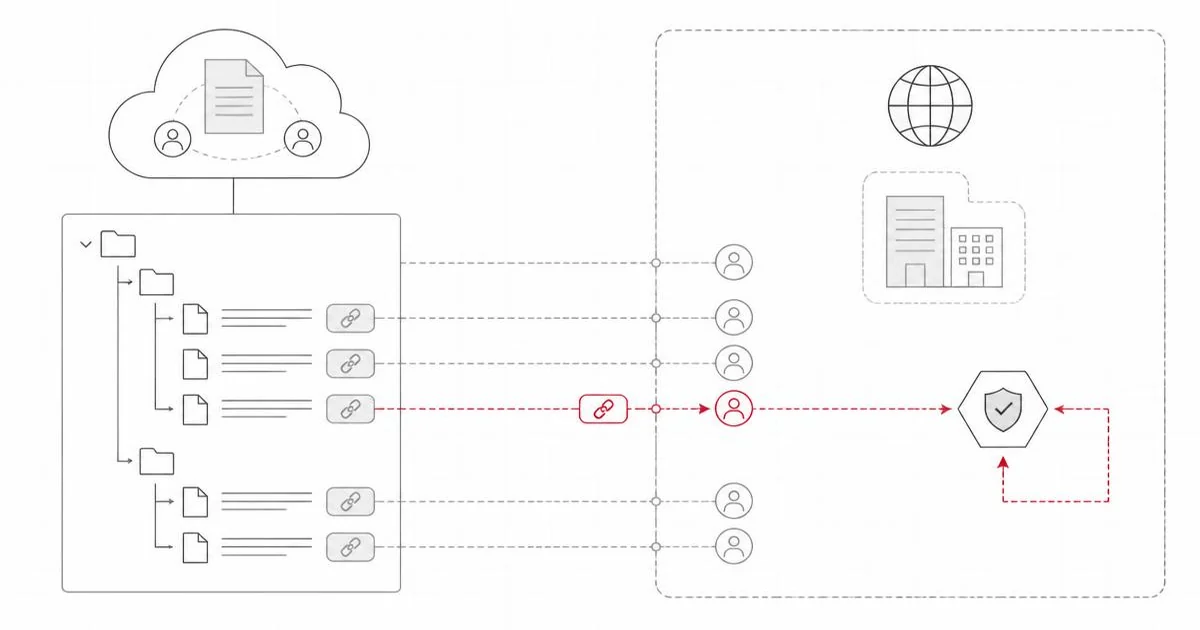
Useful prioritization requires several questions. Is the system reachable? Can an attacker move from it to a more sensitive asset? Which identities can access it? Is active exploitation known? Are compensating controls present? What would remediation interrupt? What happens if the organization waits?
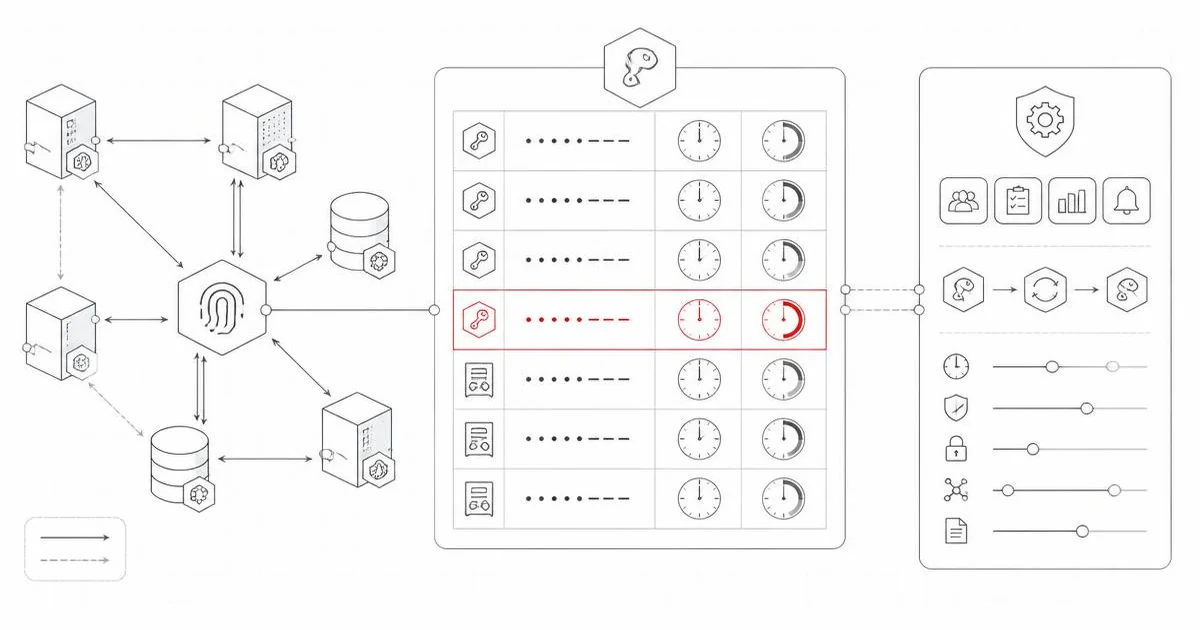
KRYOS-XS Hypercube can combine vulnerability data with identity, entitlement, network, cloud, application, data, threat, and operational information. The resulting model shows which findings contribute to viable attack paths rather than treating every scanner output as an isolated defect.
This approach also considers the cost of remediation. A patch that interrupts a public health service or a humanitarian logistics platform may require a controlled maintenance plan. The answer may still be to patch immediately, but that decision should account for the operational consequences and the available rollback path.
A governed exposure decision can state why one finding was addressed before another. It can record the evidence, assumptions, confidence, responsible authority, and expected risk reduction. That is far more useful to a board than a list of unresolved severity scores.
Nonprofits rarely have enough staff to fix everything at once. The objective is therefore disciplined selection. The organization should direct scarce time toward the exposures that create the most credible path to serious harm.