Human accounts are visible. Machine identities often are not.
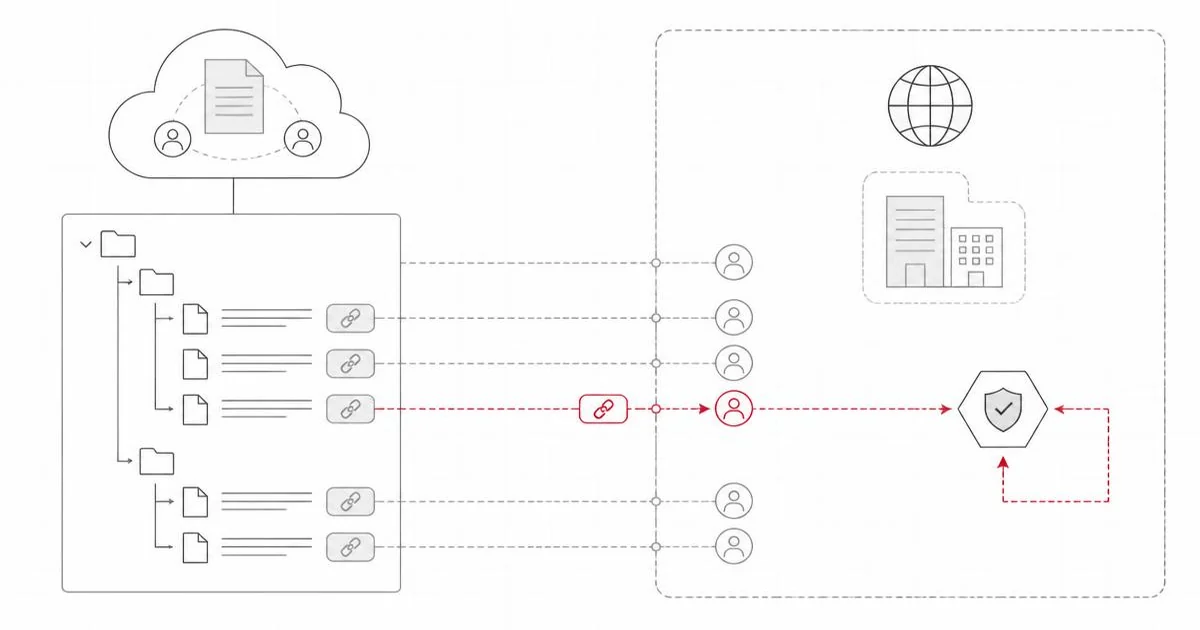
Service accounts, application credentials, API keys, workload identities, integration tokens, automation users, and website plugins may outnumber employees. They can also hold broad, long-lived access without a clearly accountable owner.
A machine identity may begin with a narrow purpose and expand over time. A donation platform receives access to a contact database. A reporting tool receives access to financial records. An automation account eventually becomes able to read, write, export, and delete across several systems.
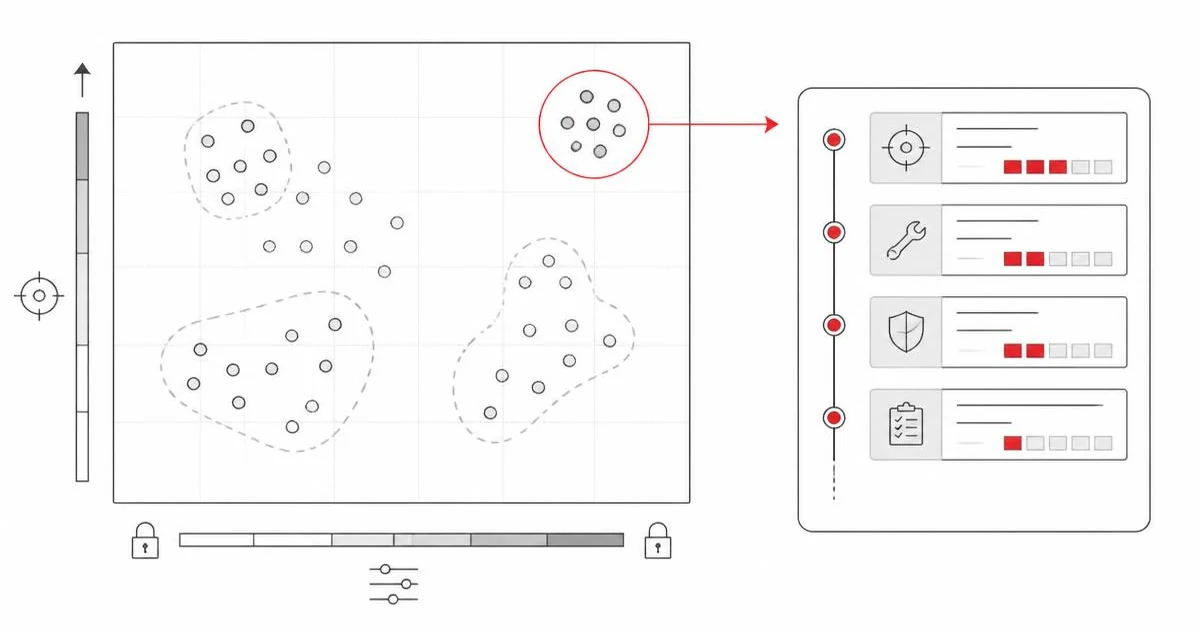
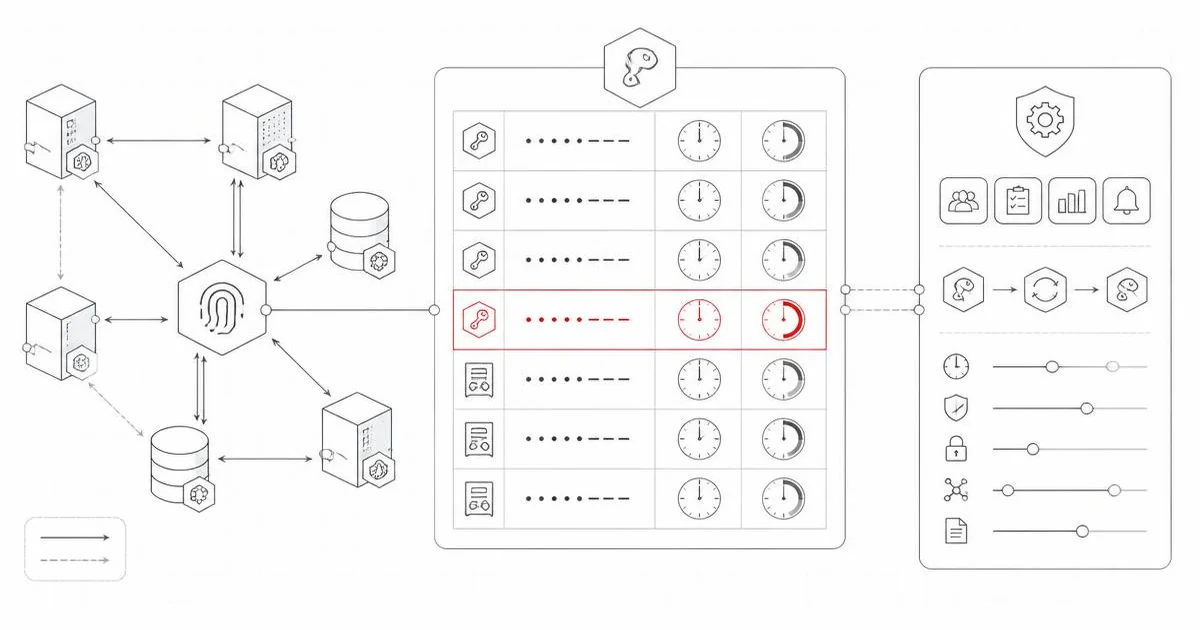
KRYOS-XS Hypercube can evaluate the identity’s declared purpose, owner, permissions, actual behavior, connected systems, credential age, requested action, data sensitivity, and available rollback path.
An integration that normally reads ten records per hour should not silently export the full database. A service account created for one project should not remain active after the project closes. An API key without a named owner should be treated as a governance defect.
The preferred response may be credential rotation, permission reduction, rate limiting, network restriction, temporary suspension, or human review. Immediate deletion can create operational damage if the dependency is poorly understood.
A decision record should connect the machine identity to a responsible person or team. Accountability cannot disappear simply because the actor is software.
Nonprofits increasingly depend on integrations because they reduce manual work. Those integrations should remain useful. The requirement is clear ownership, narrow authority, visible behavior, and a reliable way to stop or reverse an action when necessary.