A nonprofit website is often its public front door. It explains the mission, receives donations, collects applications, publishes research, registers event participants, and directs people toward services. Compromise affects more than technology. It affects trust.
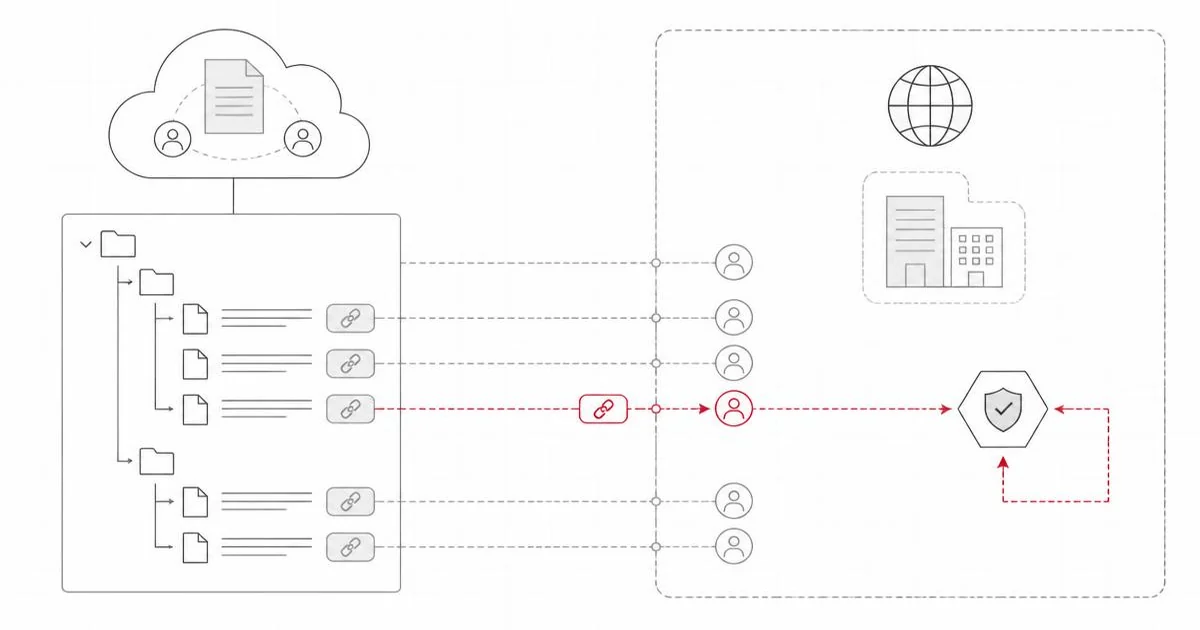
The attack surface includes the content-management system, hosting provider, donation platform, domain registrar, email service, analytics tools, embedded forms, third-party scripts, administrator accounts, and application programming interfaces.
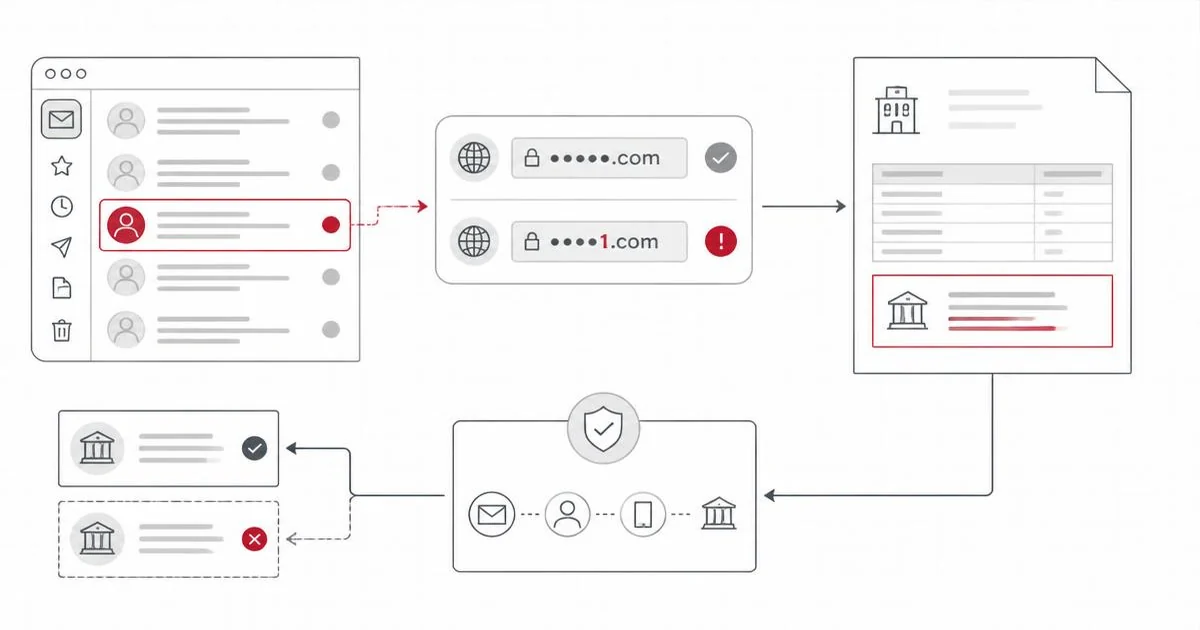
A website may remain online while still being compromised. An attacker can alter payment instructions, insert malicious code, redirect visitors, steal form submissions, or create hidden administrative access. Monitoring uptime alone will not reveal these changes.
ArtOfTheHack can combine evidence from identity systems, website logs, cloud controls, endpoint security, change-management records, threat intelligence, and payment platforms. The question is not simply whether a file changed. It is whether the change was authorized, whether the responsible identity was trustworthy, and whether the modification created a path to sensitive information.
A suspicious administrative change might trigger stronger authentication, temporary publication restrictions, session revocation, or a review of recent code changes. The response should preserve the public service where possible rather than taking the entire site offline by default.
Cryptographic provenance can also help establish which version of a page, script, or configuration was active at a given time. This supports incident reconstruction and donor communication.
For a nonprofit, digital trust is part of institutional legitimacy. People must be confident that the website they visit, the form they complete, and the donation they make belong to the organization they intended to support.