Threat intelligence often arrives as a stream of warnings. New malware, new campaigns, new vulnerabilities, new actors, new indicators. The volume can overwhelm a nonprofit that has one technology manager and no dedicated intelligence team.
The central question is local relevance. Does the information apply to the organization’s systems, people, geography, partners, or mission?
A widely reported threat may have little connection to the environment. A less prominent campaign targeting civil-society organizations in one region may deserve immediate attention.
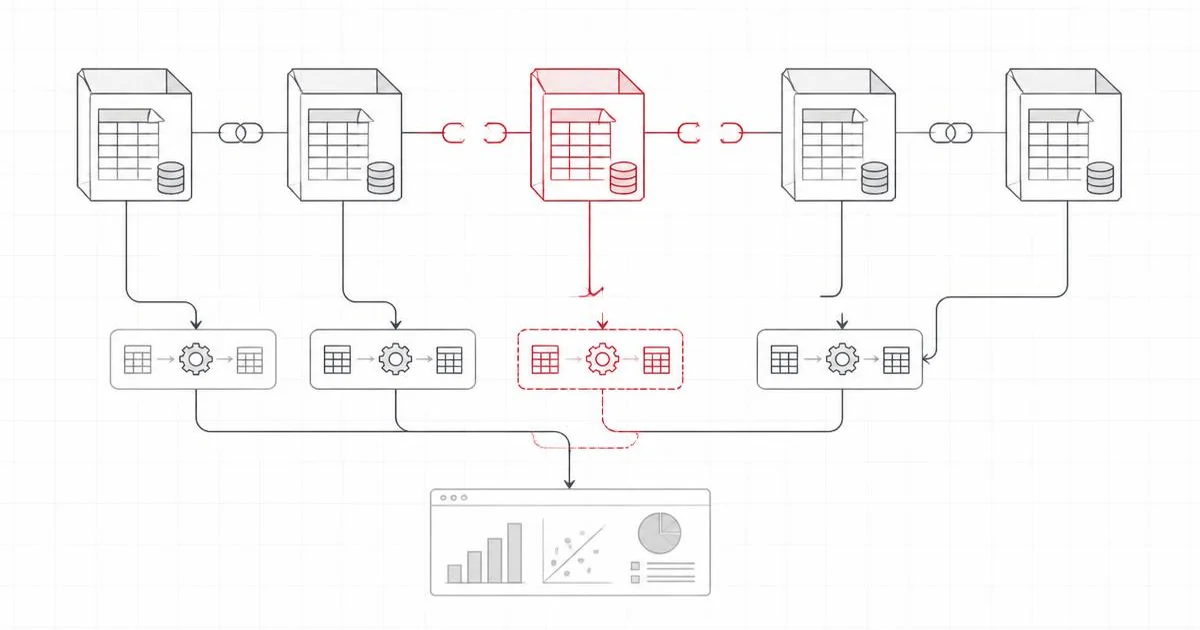
KRYOS-XS Hypercube can evaluate source reliability, freshness, independence, corroboration, contradiction, local asset relevance, observed behavior, and existing control coverage. Information from five feeds does not constitute five independent confirmations if all five repeat the same original source.
Contradictory reporting should remain visible. One source may attribute activity to a specific actor while another disputes the evidence. That disagreement affects confidence and should influence the response.
Threat intelligence becomes useful when it changes a decision. It may justify stronger authentication for a targeted group, closer monitoring of one application, accelerated patching, or a temporary restriction on a high-risk action.
The system should avoid turning intelligence into accusation. An indicator does not prove compromise. An unusual relationship does not establish malicious intent.
For NGOs, think tanks, and institutes, threat intelligence should support proportionate defense. The objective is not to know everything happening in cyberspace. It is to identify which developments materially change the organization’s risk and what defensible action follows.