Automated agents are beginning to draft communications, organize research, classify documents, prepare grant materials, analyze data, answer questions, and trigger workflows. Their usefulness depends on access to tools and information.
That access creates a new security problem. An agent can move information between systems, act through service accounts, invoke third-party tools, and interpret external content as instruction. Traditional access control may authenticate the agent without understanding the action it intends to perform.
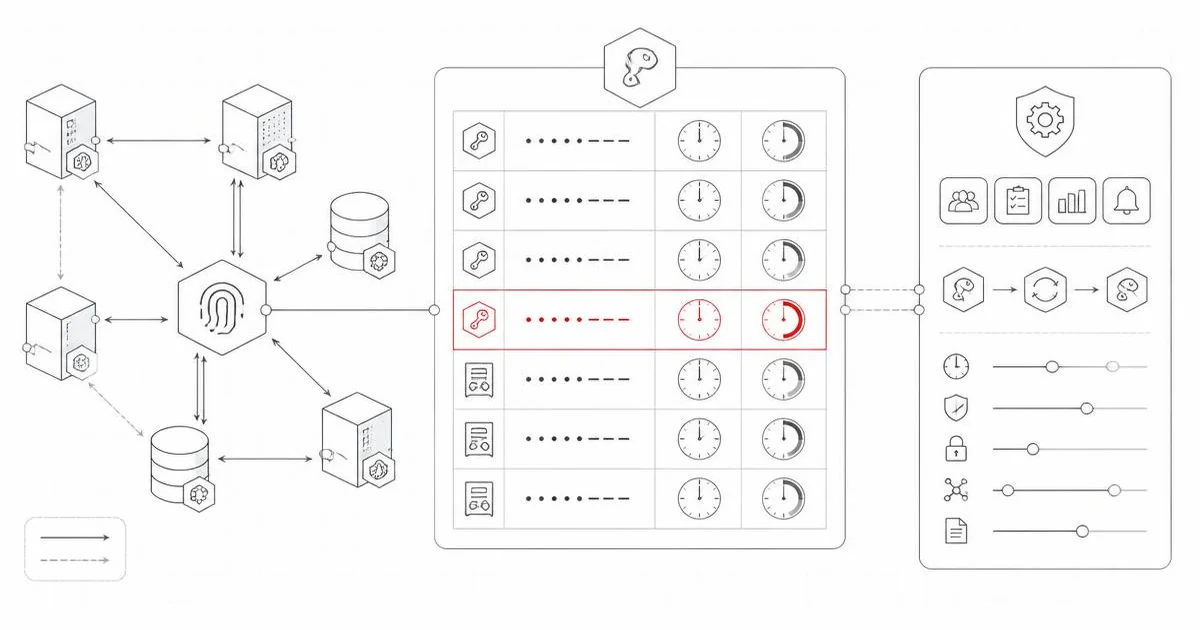
A secure model begins by giving each agent a distinct identity, named owner, defined purpose, and authority ceiling. Tool access, data access, spending limits, rate limits, and escalation rules should exist outside the agent’s own instructions.
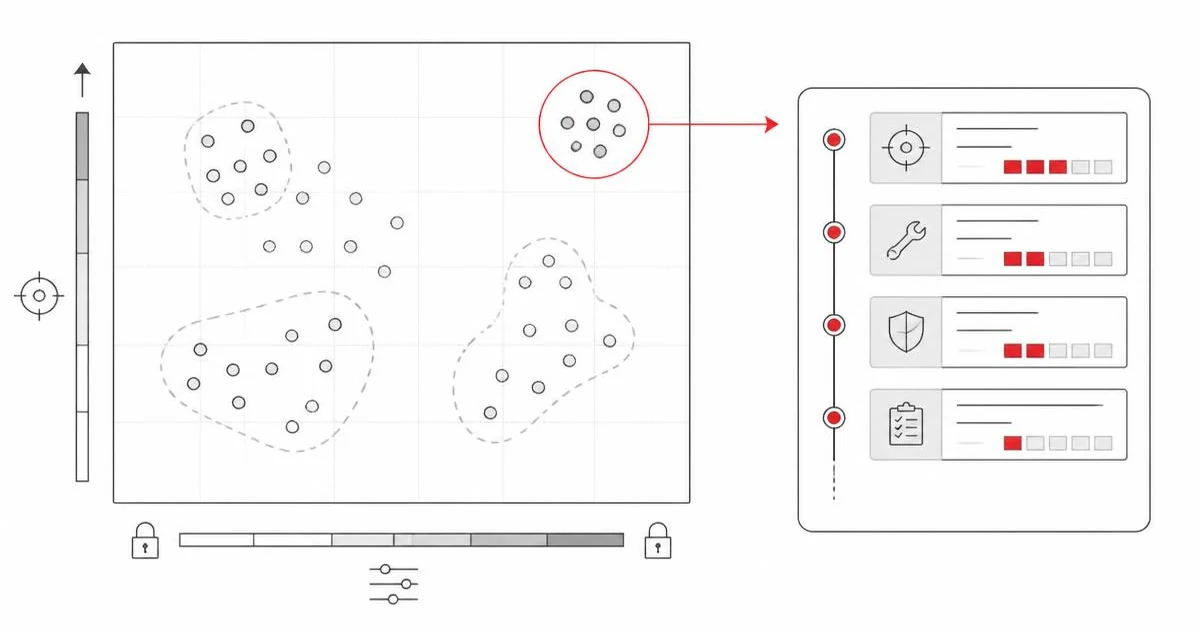
KRYOS-XS Hypercube can evaluate the declared action, agent identity, requested tool, data sensitivity, policy, reversibility, and possible consequence. Routine, low-risk actions may proceed within strict limits. High-consequence actions should reach a named human with the full evidence and proposed rollback plan.
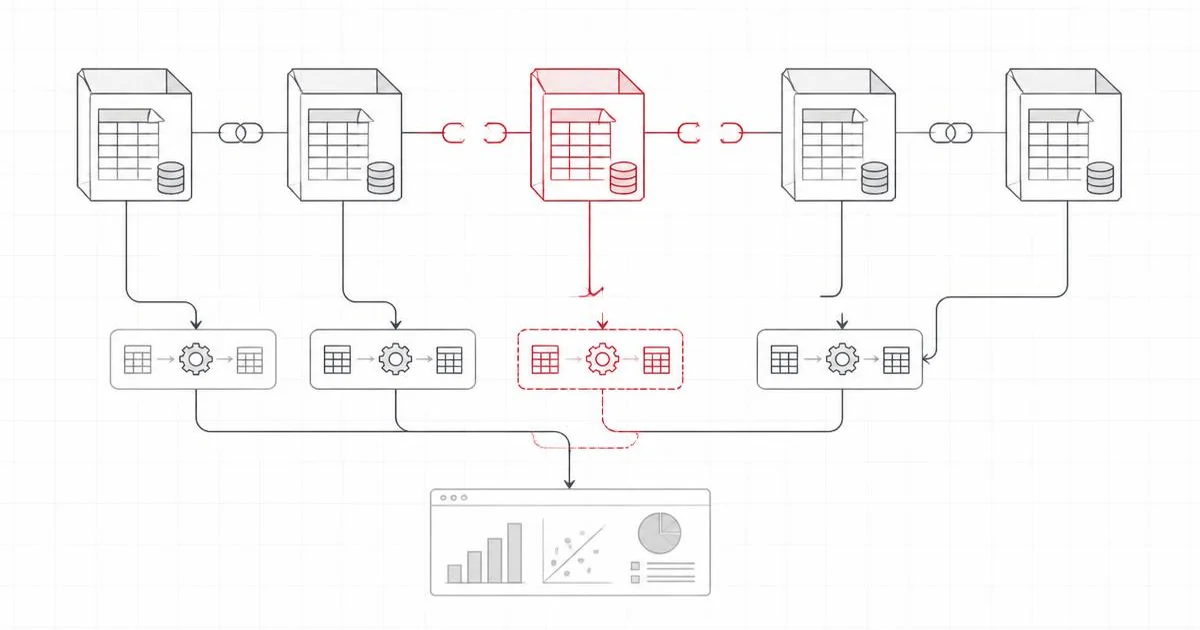
The system should also consider indirect access. Permission to use one tool may create a path into systems that were never explicitly approved. That relationship must be visible.
Every consequential agent action should produce the same quality of record expected from a human decision. The record should include intent, evidence, authority, controls, execution, and outcome.
The purpose is not to prevent automation. It is to keep institutional control intact as software becomes more capable. An agent may be fast, but speed does not create authority.