Many nonprofits depend on external technology providers. Those providers may administer email, cloud services, websites, backups, identity systems, networks, and security tools. Their access is necessary, but it often carries more privilege than any internal employee possesses.
The risk does not begin with malicious intent. A provider account may be shared across technicians. Administrative credentials may remain active between assignments. An engineer may receive global access for a task that requires control over only one system.
A conventional privileged-access platform can issue and record credentials. It may not understand whether the requested action makes sense in the current operational context.
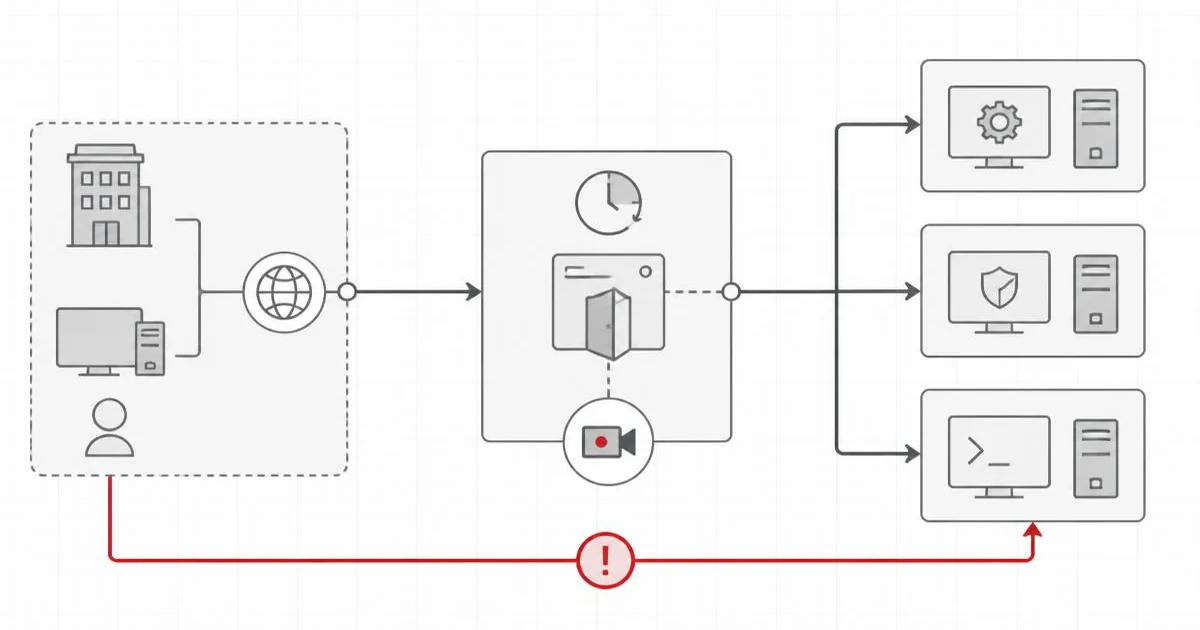
ArtOfTheHack can place KRYOS-XS Hypercube above the existing identity and privileged-access systems. Before access is granted, the overlay can evaluate the provider identity, named technician, approved ticket, target system, requested action, device, time, current threat conditions, and potential operational impact.
A legitimate request to patch a public server may justify temporary administrative rights. The same request may require additional approval if it also permits access to beneficiary databases or donor records. A request outside the maintenance window may be allowed with constraints rather than rejected outright.
The preferred model is just-in-time privilege. Rights are issued for a defined task, limited to the systems involved, and removed when the validity period ends. Session recording, stronger authentication, and two-person approval can be added when the potential consequence is high.
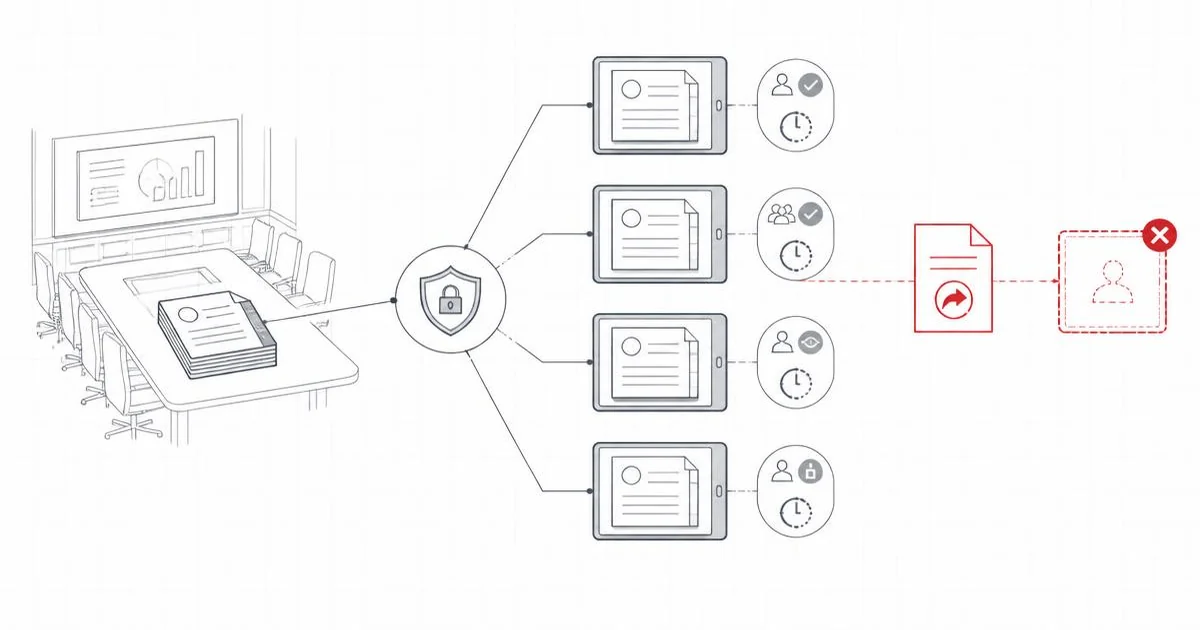
The decision record should show who requested access, who approved it, which evidence supported the request, what the technician did, and whether the intended result occurred.
Outsourcing technology does not outsource accountability. The nonprofit remains responsible for determining who may act in its environment and under what conditions. Contextual privilege governance makes that responsibility manageable.